The staff is Amazing especially the MRI Tech she was patient and helpful due to my anxiety.
Ciairra Washington
 Google review
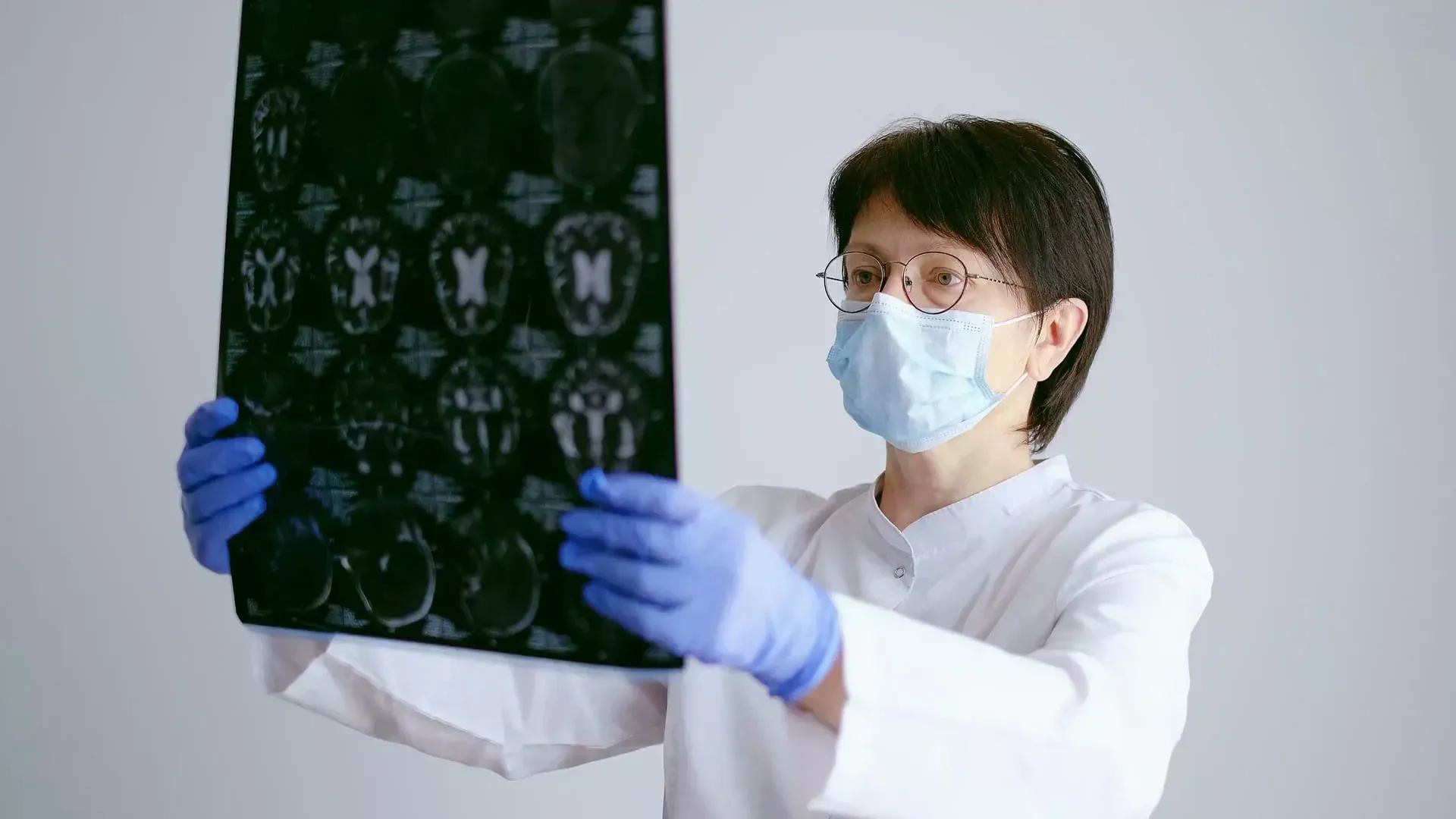
Specialized imaging
Multi-Region MRI Imaging | No Ionizing Radiation
Best Price Guarantee 4.9
Patient stories
Real patient stories from Advantis MRI & Diagnostic Imaging.
4.9 / 5from 1,000+ reviewsThe staff is Amazing especially the MRI Tech she was patient and helpful due to my anxiety.
Google reviewGreat customer service and gave me really good comfort while getting my MRI. I will recommend coming here for services.
Google reviewThey work to make sure things are comfortable and correct. Great place to get an MRI, if you have to.
Google reviewThis is my third visit to Advantis and I highly recommend them for x-ray and imaging needs.
Google reviewI've had 3 MRI's, one CT scan and one X-ray from this fine group. Very efficient and extremely friendly.
Google reviewVery clean and neat lobby and they have snacks!! Staff was wonderful and the tech was really quick and generous.
Google reviewUnderstand the examination
Whole-body MRI is different from a focused scan ordered to investigate a specific concern. The American College of Radiology does not recommend routine total-body MRI screening for people without symptoms, relevant risk factors or suggestive family history, because sufficient evidence of benefit is lacking. Incidental findings can lead to additional procedures and expense.
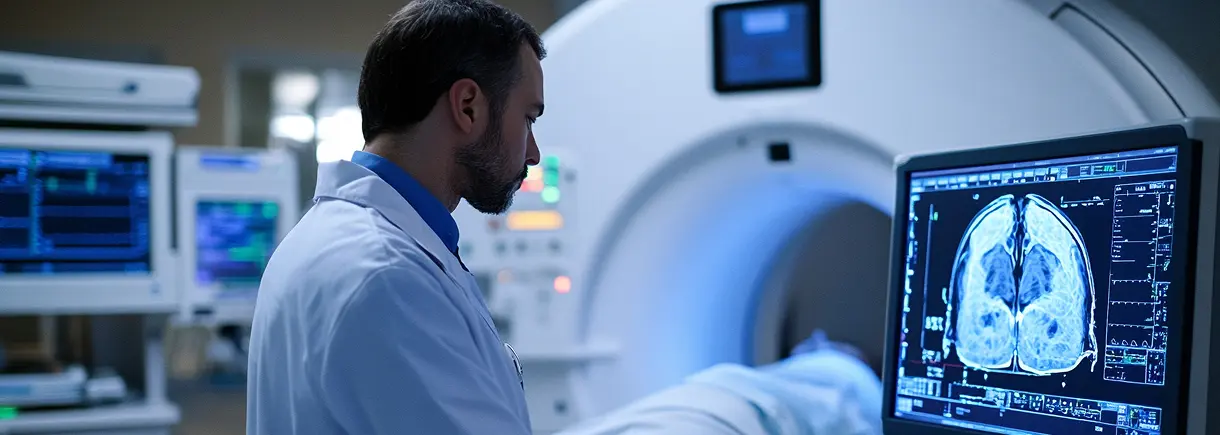
The American College of Radiology states that evidence is insufficient to recommend total-body MRI screening for people without symptoms, risk factors or a family history suggesting disease or serious injury. Its statement also notes that life-prolonging benefit has not been established for that broad screening use. This is different from a clinician selecting an imaging examination for a defined medical concern. Before considering a whole-body scan, identify the question it is expected to answer and whether that question has a more established assessment pathway. “More body areas imaged” does not, by itself, establish that a person will benefit from the examination.
Screening may uncover an observation that needs clarification but ultimately proves harmless. That can lead to repeat imaging, specialist visits or a procedure, along with uncertainty while the result is resolved. Screening can also miss disease, and detecting an abnormality does not always mean treatment would improve health. These are reasons to discuss the likely benefits and harms before a test, not only after an unexpected result. Ask who would interpret uncertain findings, how recommendations would be prioritized and how the evaluation would connect with your regular healthcare. An organized follow-up plan is more useful than receiving a long list of findings without clear next steps.
MRI produces different types of images using magnetic fields and radio waves. The sequences and the area being examined affect the information obtained. A broad examination therefore should not be assumed to provide the same detail as every dedicated organ or joint protocol combined. Ask which regions and clinical questions are included and which require a separate examination. MRI also has its own practical and safety considerations, including device screening and the ability to remain still. The absence of X-ray exposure is one feature of the method; it does not establish that a particular screening package is clinically appropriate or comprehensive for an individual.
The phrase whole-body MRI does not define one universal set of images. A published institutional protocol illustrates that coverage and sequences are deliberately selected, and that certain regions may be assessed differently from a dedicated organ examination. This is useful context when comparing broad screening descriptions. Ask for an understandable explanation of the covered regions, the main limitations and whether contrast is included. Avoid assuming that a package name means every organ has been examined with every relevant method. A report may recommend a targeted study because a broad survey cannot characterize an observation fully. That recommendation should be understood as a limitation or next step of the chosen protocol, not as evidence that broad imaging can replace all dedicated investigations.
MRI does not use ionizing radiation, but the magnetic environment and radiofrequency energy still require safety precautions. The FDA describes potential issues involving implanted devices, heating and hearing protection, as well as additional considerations when contrast or sedation is used. These concerns are managed through appropriate screening and procedures; they should not be ignored because an examination is marketed as preventive. Tell the team about devices, metal-related injuries and the ability to remain comfortable during the proposed scan. Ask how you will communicate with staff if you need assistance. The decision to have a scan and the decision about how it can be performed safely are related but separate parts of the discussion.
Different MRI techniques emphasize different tissues or characteristics. A clinician investigating a particular organ or symptom may therefore choose a dedicated examination rather than rely on a broader survey. A useful comparison asks what images each approach acquires and what uncertainty each is intended to resolve. Do not equate the number of body regions listed with the quality of an answer to a specific medical question. Technique and purpose need to be considered together.
| Focus | What the study can add | What to keep in mind |
|---|---|---|
| Broad coverage | A whole-body protocol surveys multiple regions. | The name does not mean that every organ receives a dedicated examination. |
| Unexpected findings | Imaging can reveal abnormalities unrelated to the original reason for scanning. | Further investigation may be needed and can add cost. |
| Screening evidence | Routine total-body MRI screening in people without relevant symptoms or risk factors is not recommended by the ACR on current evidence. | Discuss the purpose, potential benefit and follow-up with a clinician. |
A doctor’s order is required before your scan. Discuss the reason for scanning with your clinician first. Ask which body areas are covered, what is excluded, how findings will be explained, who arranges follow-up and what the total cost includes.
Contact scheduling for Richmond Avenue or Dickinson for the protocol on your order. This examination is not booked on the Walters Road open scanner. Dickinson MRI appointments are scheduled on Thursdays; confirm the next available date directly.
The team explains positioning and communication for the scan. Follow instructions about staying still and any brief breathing steps. Ask before the scan begins how to raise a concern, and tell the technologist if you need help.
Your radiologist’s report goes to the ordering clinician, who will explain the findings and next steps. Contact our records team for copies of your images or report.
Request images and reportsRequest an estimate for the examination on your referral, including contrast and radiologist interpretation. Confirm your plan’s network status and authorization requirements.
Costs, insurance & financingAvailable locations: Richmond Avenue, Dickinson. Confirm your exact protocol when booking.
View locations & hoursCommon questions
No scan can rule out every condition. It should not replace recommended screening or the assessment of symptoms by a qualified clinician.
Call 877-345-4244 with your order or request a callback. The team confirms the requested protocol, appropriate center and appointment options. A callback request does not itself confirm a booking.
Ask for a current quote for the exact study, including any contrast and the radiologist’s interpretation. Confirm separate charges and payment terms. If using insurance, check your plan’s network, benefits and authorization requirements.
Read each requested study to scheduling. Ask whether separate appointments or estimates are needed and whether any preparation instructions conflict. The office can obtain clarification from the referring clinician when necessary.
Ask which earlier images and reports are useful and how to transfer them. An existing scan may help comparison, but the clinical team determines whether it answers the current question or meets any specialized analysis requirements.
Arrange the report discussion with the clinician who ordered the examination or manages your care. Ask how the report will reach that office and when follow-up is appropriate. Records staff can help arrange copies for another provider.
A scan should have a clear rationale. The ACR does not consider the evidence sufficient to recommend total-body screening for people without relevant symptoms, risk factors or family history. Discuss your concerns with a clinician who can review established screening and any specific risk that may justify targeted assessment. Avoid interpreting a broad screening offer as a universal recommendation or a guarantee of reassurance.
No single reassuring screening result can remove all future risk or replace every established screening test. Review your screening plan with the clinician who knows your history, and continue to discuss new symptoms even after a normal result. If a broad scan has already been performed, ask how its findings affect that plan and whether any specific recommendation still requires follow-up.
No. Coverage and sequences depend on the protocol. A broad survey may not provide the same assessment as a dedicated examination of an individual organ or joint. Ask what is included and what the important limitations are. A later targeted study may still be recommended to clarify a finding or investigate a particular clinical concern.
Yes. The reason for an examination does not change the magnetic environment. Implanted devices, possible metal fragments and other safety considerations still need review. Follow the team’s instructions for clothing, equipment and hearing protection. A preventive label does not remove the need to establish that the proposed MRI can be performed under appropriate conditions.
Yes. Advantis requires a doctor’s order for every scan, including self-pay appointments. You can request a callback before you have the order; it must be available before the examination.
Have your referral ready. Our team will confirm your scan, location and available appointment times.
The patient guide
Screening decisions
Before booking whole-body MRI, compare the intended benefit, scan coverage, possible follow-up and limits of a normal result.

Screening decisions
Screening is a decision about a specific test and a specific risk profile, not a single scan for everyone.
