The staff is Amazing especially the MRI Tech she was patient and helpful due to my anxiety.
Ciairra Washington
 Google review
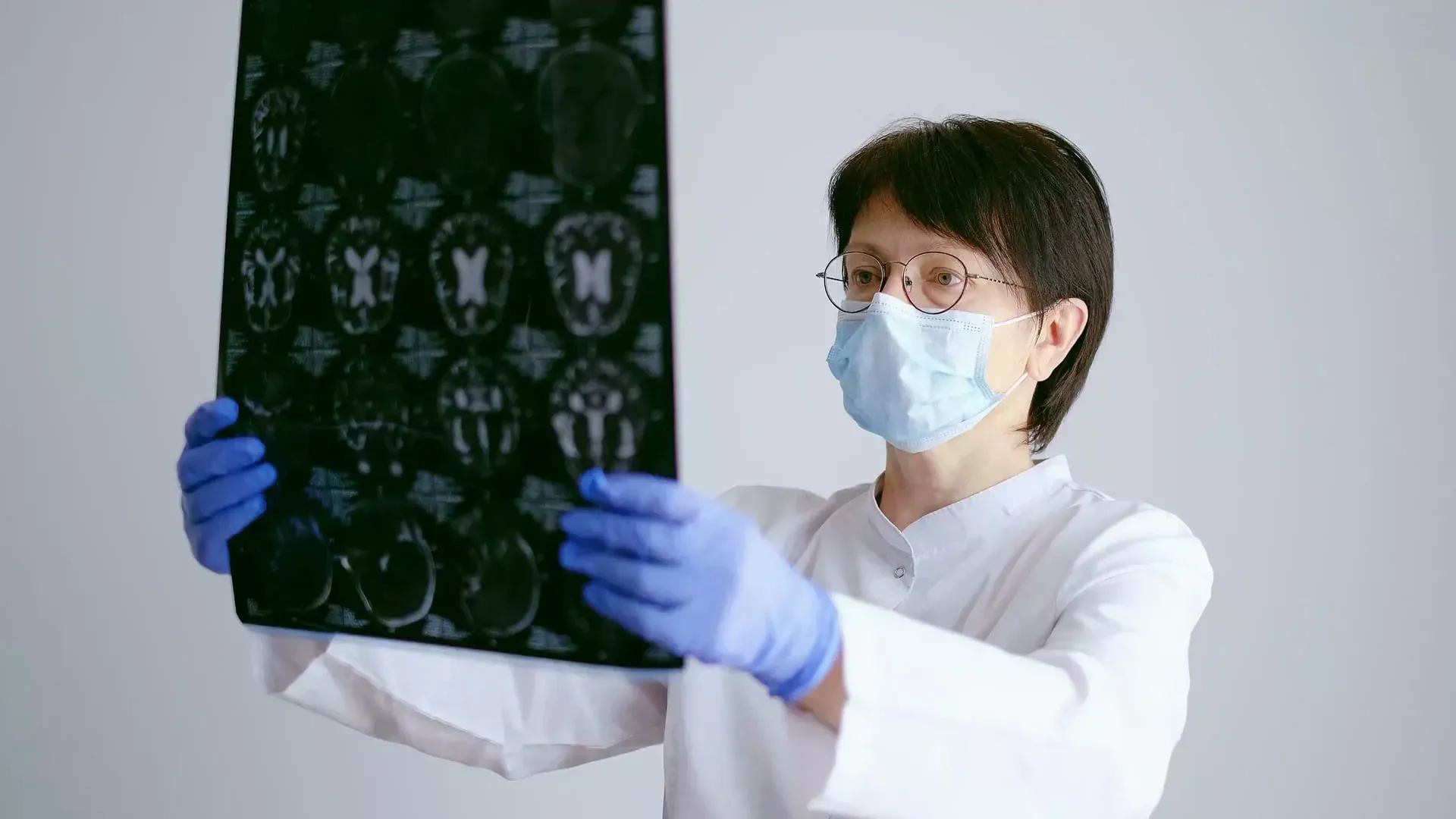
Specialized imaging
Quantitative Image Analysis | Radiologist Interpretation
Best Price Guarantee 4.9
Patient stories
Real patient stories from Advantis MRI & Diagnostic Imaging.
4.9 / 5from 1,000+ reviewsThe staff is Amazing especially the MRI Tech she was patient and helpful due to my anxiety.
Google reviewGreat customer service and gave me really good comfort while getting my MRI. I will recommend coming here for services.
Google reviewThey work to make sure things are comfortable and correct. Great place to get an MRI, if you have to.
Google reviewVery clean and neat lobby and they have snacks!! Staff was wonderful and the tech was really quick and generous.
Google reviewSpeedy service, the staff was very professional and knowledgeable.
Google reviewThe entire visit was amazing. The staff were kind and personable, and I really appreciated how helpful and accommodating everyone was.
Google reviewUnderstand the examination
AI-assisted analysis describes a range of software tools. The appropriate tool depends on the examination and clinical question. NeuroQuant is one example of quantitative brain MRI analysis; the availability of other applications should be confirmed with the team.
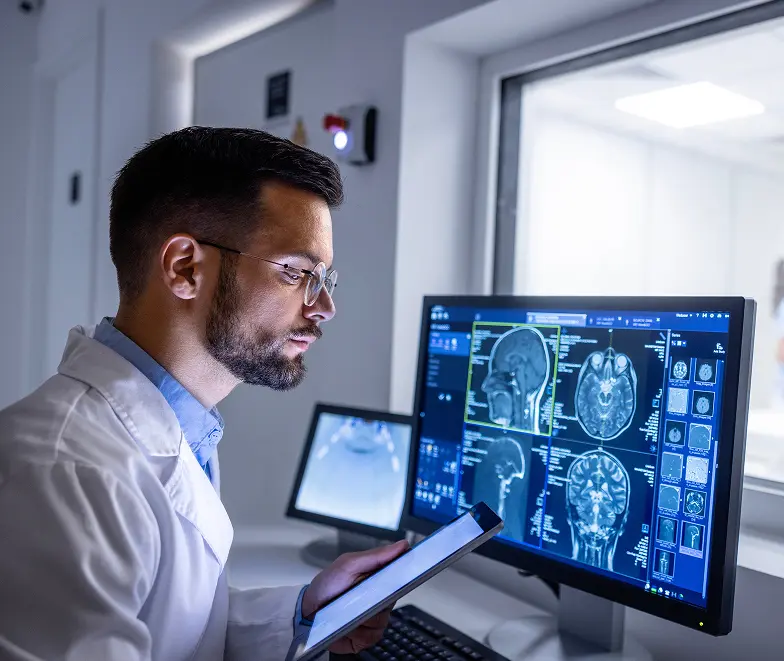
AI-assisted imaging is a broad description, not a single examination or universal diagnostic capability. Software may help identify a pattern, quantify a structure, improve an image or support a particular clinical decision. The FDA evaluates medical devices according to their intended use and the applicable regulatory pathway. A statement that a product uses AI therefore does not establish that it is suitable for every disease or every kind of image. Patients can ask for the specific tool and the question it is designed to address. Its role should be explained separately from the scan itself and from the clinician’s final interpretation.
Medical AI systems are developed using data, and the quality and representativeness of those data affect how the tools should be evaluated. NIH describes the importance of well-prepared medical imaging datasets and performance across different patient groups. That is a useful reminder that a software output is not automatically equally informative in every situation. Before relying on an analysis, the clinical team needs to consider whether the available images suit the application and whether the result fits the patient’s circumstances. An attractive color map or precise-looking number is not enough; the analysis should contribute understandable information to the medical question being considered.
The FDA’s transparency principles emphasize communicating a device’s intended use, performance and limitations to the people who use or are affected by it. In an imaging context, a patient-friendly explanation should identify what the software assessed, what its output means and how a clinician used that information. It should also distinguish an uncertain software finding from a confirmed diagnosis. Ask who reviews the output, whether any quality issue limits it and whether it changes a recommendation. Keep the interpreted report with the imaging record, so later care decisions can refer to the clinical conclusion rather than an isolated software image or number.
The FDA’s good machine learning practice principles emphasize development and evaluation that are appropriate to the intended medical use. This includes attention to the people who use a device, representative data and the performance of the human-AI team. For a patient, that means a claim about a software algorithm alone is not the same as an explanation of how it improves a real care decision. Ask how the output is reviewed and whether the application has been evaluated for the task being proposed. A tool can support a workflow without being appropriate for every patient or replacing clinical judgment. The meaningful question is what additional, dependable information it contributes in the circumstances of your examination.
Imaging software may operate within connected systems, so the clinical workflow includes how images and results are transferred, retained and made available to the responsible clinicians. The FDA treats cybersecurity as part of the safety and effectiveness of connected medical devices. Patients do not need to assess the technical system themselves, but can ask where the analysis occurs, which organization receives the images and how the interpreted output is returned to their care team. These practical questions help distinguish a clinical analysis service from an informal upload to an unrelated application. They also make it easier to keep a complete record, including the original examination and the clinician’s explanation of what the software result contributes.
AI can identify patterns in complex data, but the presentation of a result does not establish its relevance to one person. A probability, measurement or highlighted region should be explained in terms of the task the tool was designed to perform. Ask what the number refers to and what it does not measure. The clinical explanation should make clear whether the output provides supporting information, raises a question for review or changes an agreed management recommendation.
| Focus | What the study can add | What to keep in mind |
|---|---|---|
| A named application | Imaging software may assist with a particular analysis task. | Different applications have different purposes and requirements. |
| Suitable input images | Analysis depends on the images supplied and the requested processing. | An existing scan may not meet a tool’s requirements. |
| Responsible clinician | Clinical interpretation should consider the images, output and patient assessment. | Automated findings should not be treated as an independent diagnosis. |
A doctor’s order is required before your scan. Provide the name of the requested analysis and the referring clinician's details. Ask whether existing images are suitable, whether a new scan is required, and who will interpret the result in context.
The team confirms the examination and explains the protocol-specific steps. For specialized imaging or analysis, ask what will be performed, which records are needed and who will interpret the result.
Your radiologist’s report goes to the ordering clinician, who will explain the findings and next steps. Contact our records team for copies of your images or report.
Request images and reportsRequest an estimate for the examination on your referral, including contrast and radiologist interpretation. Confirm your plan’s network status and authorization requirements.
Costs, insurance & financingCall with your referral and preferred location to confirm where your examination is available.
View locations & hoursCommon questions
Ask which clinician reviews the examination and how software findings are incorporated into the report. A software output should not be treated as a standalone personal diagnosis.
Call 877-345-4244 with your order or request a callback. The team confirms the requested protocol, appropriate center and appointment options. A callback request does not itself confirm a booking.
Ask for a current quote for the exact study, including any contrast and the radiologist’s interpretation. Confirm separate charges and payment terms. If using insurance, check your plan’s network, benefits and authorization requirements.
Read each requested study to scheduling. Ask whether separate appointments or estimates are needed and whether any preparation instructions conflict. The office can obtain clarification from the referring clinician when necessary.
Ask which earlier images and reports are useful and how to transfer them. An existing scan may help comparison, but the clinical team determines whether it answers the current question or meets any specialized analysis requirements.
Arrange the report discussion with the clinician who ordered the examination or manages your care. Ask how the report will reach that office and when follow-up is appropriate. Records staff can help arrange copies for another provider.
No. Regulatory authorization concerns a particular device and intended use; it does not turn that product into a general assessment of all possible disease. A tool designed for one task may not answer a different question. Ask which application is being proposed and how its intended role matches your examination. The presence of AI alone does not establish that extra testing or treatment is necessary.
Ask the interpreting clinician to explain what the software measured, whether the output passed the relevant quality review and why the final interpretation differs. The disagreement may require context that is not visible in the software display. The useful outcome is a clear clinical explanation and, when needed, an appropriate next step—not choosing whichever result looks more detailed or uses a more precise number.
No. The intended task, quality of the evaluation and performance in the actual clinical workflow also matter. A result obtained under one set of conditions may not answer every use case. Ask whether the software supports the specific assessment being proposed and how clinicians review its output, rather than relying on an isolated performance claim.
Use the process agreed with your clinical team and understand which service will receive the images and provide the interpretation. An unrelated application is not automatically part of your care record or the system your clinician uses. Ask how results will be returned and retained so the analysis remains connected to the medical examination and its clinical explanation.
Yes. Advantis requires a doctor’s order for every scan, including self-pay appointments. You can request a callback before you have the order; it must be available before the examination.
Have your referral ready. Our team will confirm your scan, location and available appointment times.
The patient guide
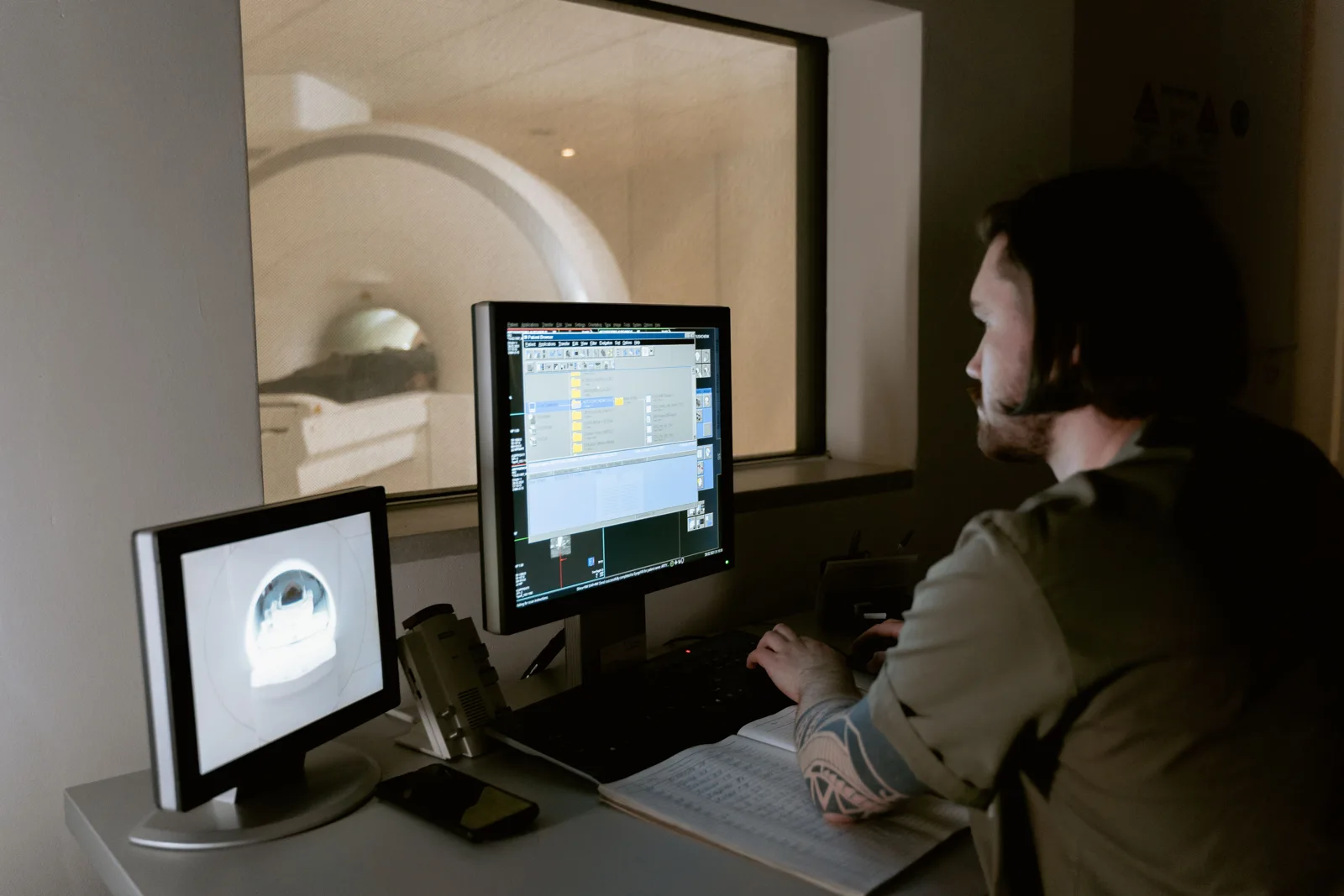
Vascular & specialized imaging
Understand how AI tools can support imaging, what their limits are and which questions to ask about an AI-assisted evaluation.
MRI guidance
Understand the purpose of a head MRI, the questions to ask before booking and how to prepare for the results conversation.
