The staff is Amazing especially the MRI Tech she was patient and helpful due to my anxiety.
Ciairra Washington
 Google review
Specialized imaging
Detailed Blood Vessel Imaging | No Ionizing Radiation
Best Price Guarantee 4.9
Patient stories
Real patient stories from Advantis MRI & Diagnostic Imaging.
4.9 / 5from 1,000+ reviewsThe staff is Amazing especially the MRI Tech she was patient and helpful due to my anxiety.
Google reviewGreat customer service and gave me really good comfort while getting my MRI. I will recommend coming here for services.
Google reviewThey work to make sure things are comfortable and correct. Great place to get an MRI, if you have to.
Google reviewThis is my third visit to Advantis and I highly recommend them for x-ray and imaging needs.
Google reviewI've had 3 MRI's, one CT scan and one X-ray from this fine group. Very efficient and extremely friendly.
Google reviewVery clean and neat lobby and they have snacks!! Staff was wonderful and the tech was really quick and generous.
Google reviewUnderstand the examination
Magnetic resonance angiography uses MRI techniques to visualize blood vessels. The study may use contrast, depending on the question being investigated and the region being examined. MRA and a routine MRI are different orders.
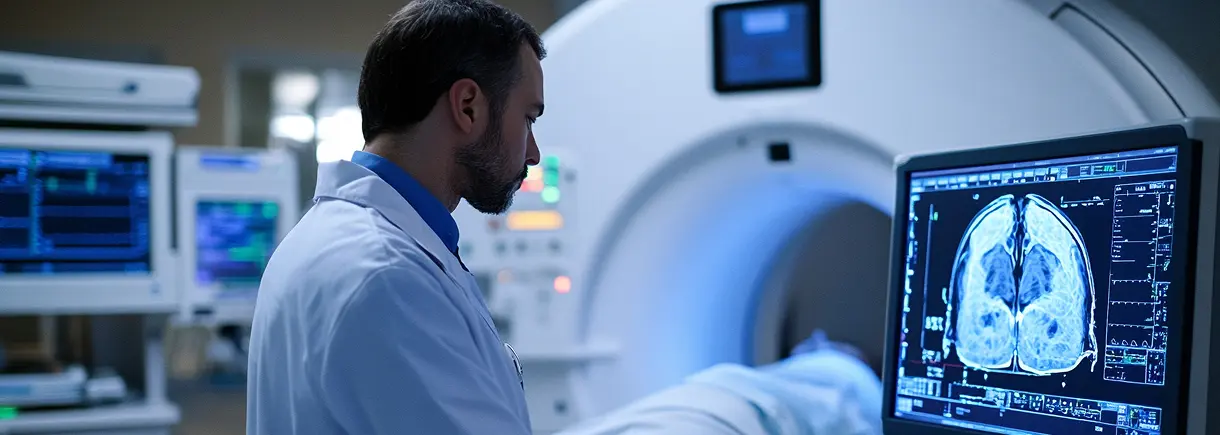
MR angiography is an MRI technique tailored to blood vessels. A clinician may use it to assess an artery that appears narrowed, an abnormal widening such as an aneurysm, a vascular malformation, or vessels relevant to treatment planning. The requested territory matters: an MRA of the head and an MRA of the neck are different examinations, even when they are discussed together. Some techniques obtain useful vessel images without contrast, while others use an injected MRI contrast agent. The selected protocol should match the vessel and clinical concern. MRA therefore supplies different information from an ordinary tissue-focused MRI of the same general body area.
The word angiography also appears in the name of catheter angiography, which uses a catheter placed in a blood vessel and X-ray guidance. That approach can provide detailed vessel assessment and may be used during a procedure to treat a vascular problem. MRA, by contrast, obtains images with MRI; it is not itself a stent placement or a treatment for a narrowing. This distinction helps when discussing a sequence of investigations. One test may map the vessels and inform whether an invasive procedure is appropriate. Ask whether the referral is intended to clarify a diagnosis, plan treatment, or check a previously treated vessel.
Choosing an MRA without contrast does not remove the need for MRI safety screening. The magnetic environment can matter for implanted devices, metal fragments and some equipment worn on the body. The imaging team needs the device identity and its scanning conditions, rather than only a general statement that a previous MRI was completed. Explain any implanted device, prior metal injury or difficulty remaining still. This information supports a plan that is appropriate for the examination. A useful discussion separates two issues: whether MRI can be performed under suitable conditions, and whether contrast is needed to answer the vascular question.
Carotid ultrasound uses sound waves to assess the arteries in the neck and can evaluate blood flow with Doppler techniques. It is a different approach from MRI-based vessel imaging. The examinations can sometimes provide complementary information, depending on the vessel segment and the clinical concern. Ultrasound has practical limits, including difficulty seeing certain deeper or obscured areas, so a clinician may request additional imaging when the question is not fully resolved. A recommendation for MRA after ultrasound does not automatically mean that the first examination was performed incorrectly. It may mean that the team needs a different view or more information before deciding what a finding represents. Ask which part of the vascular question the next examination is expected to clarify.
An aneurysm is an abnormal widening or bulge in a blood vessel. The significance of an unruptured brain aneurysm depends on features such as its size and location as well as the person’s overall circumstances. Finding one does not by itself determine whether monitoring or treatment is appropriate. A specialist needs to connect the imaging description with clinical risk and the potential benefits and harms of an intervention. When reviewing the report, ask which vessel is involved, whether prior images permit comparison and which team will guide the next decision. Do not turn a measurement from an imaging report into a prediction of what will happen. Sudden severe symptoms require urgent clinical assessment rather than waiting for a routine imaging follow-up.
An implanted device may look similar to another device but have different MRI conditions. The screening decision therefore depends on its documented identity and the relevant scanning requirements. Bring the device card or available records when the team requests them. Saying that a device contains little metal or was scanned safely before may not supply enough information for a new examination. Safety review is part of selecting an appropriate approach to the current vascular question.
| Focus | What the study can add | What to keep in mind |
|---|---|---|
| Blood vessels | Magnetic resonance angiography focuses on vessels in a specified region. | The location of the vessels must be clear on the order. |
| MRI techniques | MRA uses MRI methods, with contrast depending on the protocol. | The usual MRI safety screening still applies. |
| A separate examination | A vascular study answers different questions from routine organ imaging. | A routine MRI does not automatically include MRA. |
A doctor’s order is required before your scan. Check that your referral names the body region and the requested MRA study. Discuss implants, pregnancy, kidney conditions and prior contrast reactions with the imaging team. Bring earlier vascular imaging if requested.
The team explains positioning and communication for the scan. Follow instructions about staying still and any brief breathing steps. Ask before the scan begins how to raise a concern, and tell the technologist if you need help.
Your radiologist’s report goes to the ordering clinician, who will explain the findings and next steps. Contact our records team for copies of your images or report.
Request images and reportsRequest an estimate for the examination on your referral, including contrast and radiologist interpretation. Confirm your plan’s network status and authorization requirements.
Costs, insurance & financingCall with your referral and preferred location to confirm where your examination is available.
View locations & hoursCommon questions
No. Some MRA studies can be performed without contrast. The radiologist and referring clinician determine the appropriate technique.
Call 877-345-4244 with your order or request a callback. The team confirms the requested protocol, appropriate center and appointment options. A callback request does not itself confirm a booking.
Ask for a current quote for the exact study, including any contrast and the radiologist’s interpretation. Confirm separate charges and payment terms. If using insurance, check your plan’s network, benefits and authorization requirements.
Read each requested study to scheduling. Ask whether separate appointments or estimates are needed and whether any preparation instructions conflict. The office can obtain clarification from the referring clinician when necessary.
Ask which earlier images and reports are useful and how to transfer them. An existing scan may help comparison, but the clinical team determines whether it answers the current question or meets any specialized analysis requirements.
Arrange the report discussion with the clinician who ordered the examination or manages your care. Ask how the report will reach that office and when follow-up is appropriate. Records staff can help arrange copies for another provider.
No. A brain MRI mainly assesses brain tissues, while an MRA is designed to evaluate specified blood vessels. They may be requested together, but one label does not automatically include the other. Ask which territory is being investigated and how the vessel study relates to the original clinical concern. A radiologist can determine the appropriate sequences from the referral and clinical history.
No. MRA is an imaging examination. Treatment of a narrowed or blocked vessel involves a separate clinical decision and, when appropriate, a separate procedure. Catheter angiography may be part of an intervention, which is why similar terminology can be confusing. When reviewing a recommendation, clarify whether the next appointment is for diagnostic images, consultation about options, or an actual treatment procedure.
The clinician may need information about a segment or finding that ultrasound did not fully resolve. The methods use different technology and have different strengths and limitations. Ask whether the purpose is to clarify narrowing, examine another vessel territory or support a treatment decision. Completing a different examination does not automatically imply an error in the earlier one.
No. Management is individualized, taking the aneurysm’s features and the person’s clinical situation into account. A specialist should explain the balance between monitoring and treatment. An imaging measurement alone does not determine that choice. Ask who is responsible for follow-up and what symptoms or changes should prompt urgent assessment instead of routine review.
Yes. Advantis requires a doctor’s order for every scan, including self-pay appointments. You can request a callback before you have the order; it must be available before the examination.
Have your referral ready. Our team will confirm your scan, location and available appointment times.
The patient guide
Vascular & specialized imaging
Compare MR and CT angiography, including contrast, implant screening and the details needed to book the correct vascular study.
Understanding imaging
The contrast decision is part of choosing the right imaging protocol for your clinical question.
