The staff is Amazing especially the MRI Tech she was patient and helpful due to my anxiety.
Ciairra Washington
 Google review
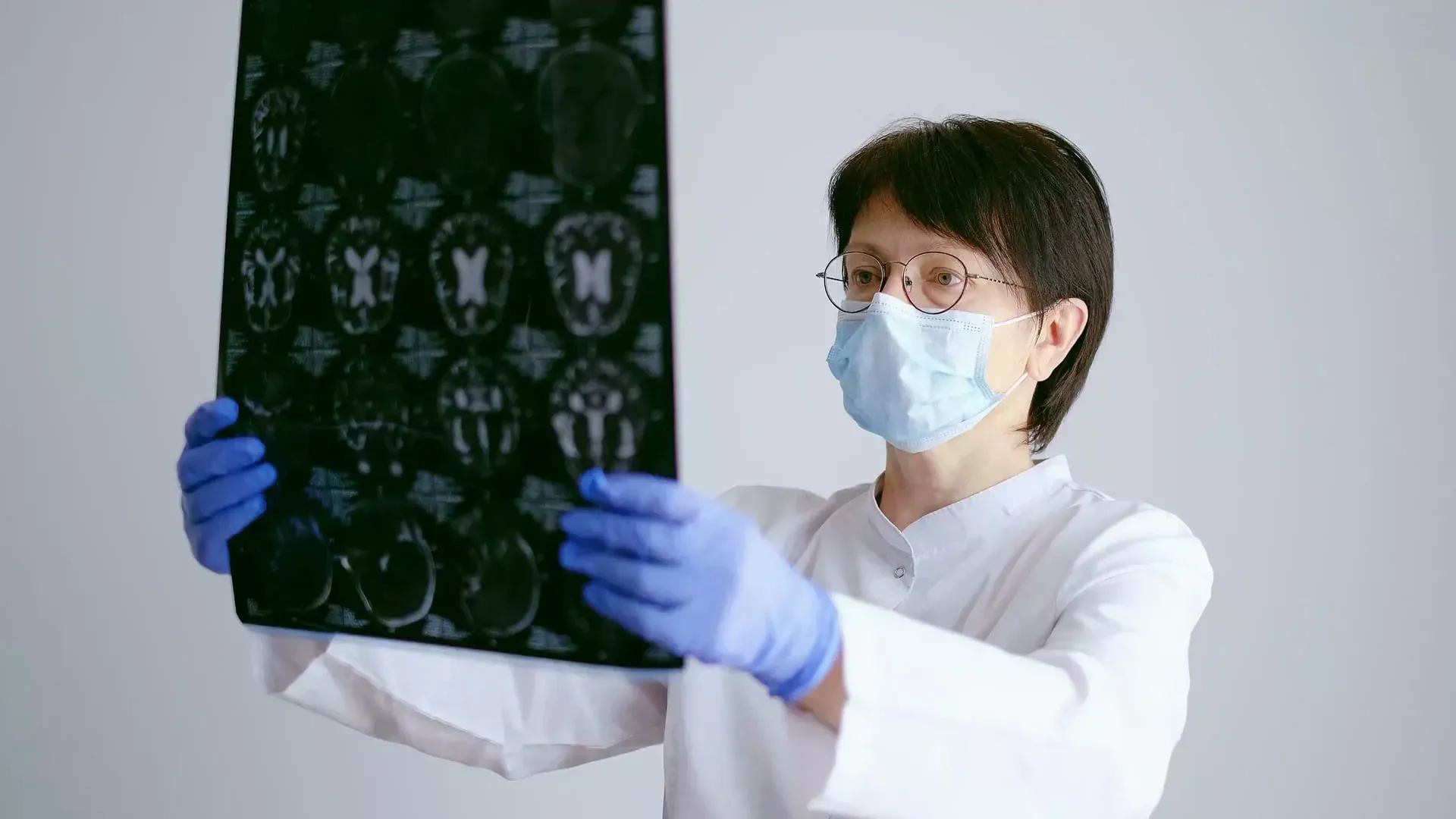
Specialized imaging
Kidney & Urinary Tract Imaging | Board-Certified Radiologists
Best Price Guarantee 4.9
Patient stories
Real patient stories from Advantis MRI & Diagnostic Imaging.
4.9 / 5from 1,000+ reviewsThe staff is Amazing especially the MRI Tech she was patient and helpful due to my anxiety.
Google reviewGreat customer service and gave me really good comfort while getting my MRI. I will recommend coming here for services.
Google reviewThey work to make sure things are comfortable and correct. Great place to get an MRI, if you have to.
Google reviewVery clean and neat lobby and they have snacks!! Staff was wonderful and the tech was really quick and generous.
Google reviewSpeedy service, the staff was very professional and knowledgeable.
Google reviewThe entire visit was amazing. The staff were kind and personable, and I really appreciated how helpful and accommodating everyone was.
Google reviewUnderstand the examination
An intravenous pyelogram uses X-rays after injected contrast to examine the urinary tract. CT urography uses CT and is a different study. The tests should not be treated as interchangeable simply because both assess the kidneys, ureters and bladder.
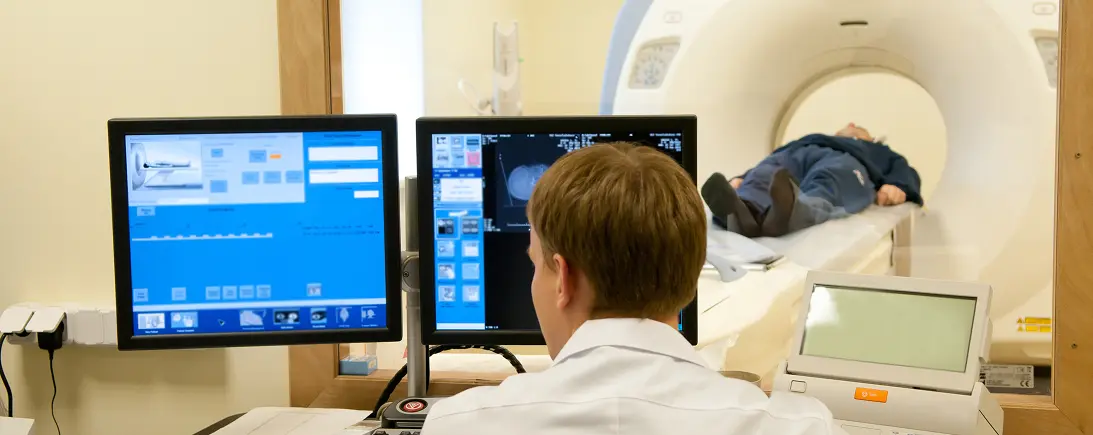
A traditional intravenous pyelogram, or IVP, uses X-ray images after contrast is injected into a vein. As the contrast is processed by the kidneys, it helps outline parts of the urinary collecting system, including the ureters and bladder. The examination can provide information about urinary-tract anatomy and possible obstruction or other abnormalities. Images may be obtained at different points rather than as a single snapshot. However, the label “IVP protocol” on a website or referral is not enough to confirm exactly which imaging technique is planned. The actual request needs to specify the method and the clinical problem it is meant to investigate.
Urography is a broad term for imaging the urinary tract. Conventional IVP uses X-rays, while CT urography and MR urography use different cross-sectional imaging methods and can have different preparation and contrast requirements. They should not be treated as interchangeable names when discussing an order. The choice can depend on the symptom, previous findings and factors relevant to the imaging method. A question about blood in the urine may require a different investigation from a question about stones or another known abnormality. These distinctions explain the terminology; they do not establish which of these protocols is available at a particular Advantis center.
When blood is found in urine, the cause is assessed using clinical history and urine testing, sometimes with additional blood tests, imaging or other procedures. Cystoscopy, for example, allows a clinician to look inside the bladder and urethra directly. Imaging and cystoscopy provide different information, so one does not automatically make the other unnecessary. A radiology finding should be discussed with the clinician managing the urinary concern. Ask whether the result explains the original problem, whether any additional investigation is still needed and which symptoms or changes should lead to earlier review. The aim is to address the cause, not simply complete one scan.
The urinary tract includes the kidneys, ureters, bladder and urethra, and a clinical question may focus on one part or on how the system functions. Ultrasound, X-ray-based examinations, CT, MRI and radionuclide studies can provide different information. For example, an anatomical image and a specialized assessment of kidney function are not interchangeable simply because both involve the kidneys. The clinician considers symptoms, history and earlier findings when choosing an approach. Before proceeding, ask whether the question concerns a suspected blockage, a structural change, a stone or another problem. That explanation helps make sense of why a particular method was chosen and why an examination with a similar-sounding name may not be an appropriate substitute.
Kidney-stone assessment can include medical history, laboratory testing and imaging. Images may help establish whether stones are present, where they are located and whether they could be affecting urine drainage. Those questions differ from every other reason a clinician might request urography. It is therefore useful to distinguish an order aimed at a suspected stone from one intended to investigate blood in the urine or another urinary abnormality. Do not assume that any examination labelled “kidney scan” has the same purpose or technique. After the report is available, ask how the findings fit the symptoms and whether further tests are needed to understand the stone or the cause of the concern.
Conventional IVP follows contrast as it passes through the urinary collecting system, so image timing is part of the technique. The examination may involve several views rather than one picture. The clinician interprets the pattern with the reason for the referral. This is distinct from a generic X-ray of the abdomen. It also explains why the exact examination should be established before a patient tries to estimate the visit from instructions for a different urinary test.
| Focus | What the study can add | What to keep in mind |
|---|---|---|
| Urinary tract | A urinary-tract study examines structures involved in urine drainage. | The exact examination name and technique need clarification. |
| IVP and CT urography | These names describe different imaging approaches. | Do not assume one is interchangeable with the other. |
| Contrast preparation | The protocol may require contrast and specific preparation. | Confirm the requested test before following any preparation guide. |
A doctor’s order is required before your scan. Call to confirm which technique Advantis can provide for your order. Discuss kidney conditions, pregnancy, medication and previous contrast reactions. Follow the preparation supplied for the confirmed study.
The team confirms the examination and explains the protocol-specific steps. For specialized imaging or analysis, ask what will be performed, which records are needed and who will interpret the result.
Your radiologist’s report goes to the ordering clinician, who will explain the findings and next steps. Contact our records team for copies of your images or report.
Request images and reportsRequest an estimate for the examination on your referral, including contrast and radiologist interpretation. Confirm your plan’s network status and authorization requirements.
Costs, insurance & financingCall with your referral and preferred location to confirm where your examination is available.
View locations & hoursCommon questions
Read the full order to the scheduling team. They can clarify the requested protocol with your referring clinician before an appointment is arranged.
Call 877-345-4244 with your order or request a callback. The team confirms the requested protocol, appropriate center and appointment options. A callback request does not itself confirm a booking.
Ask for a current quote for the exact study, including any contrast and the radiologist’s interpretation. Confirm separate charges and payment terms. If using insurance, check your plan’s network, benefits and authorization requirements.
Read each requested study to scheduling. Ask whether separate appointments or estimates are needed and whether any preparation instructions conflict. The office can obtain clarification from the referring clinician when necessary.
Ask which earlier images and reports are useful and how to transfer them. An existing scan may help comparison, but the clinical team determines whether it answers the current question or meets any specialized analysis requirements.
Arrange the report discussion with the clinician who ordered the examination or manages your care. Ask how the report will reach that office and when follow-up is appropriate. Records staff can help arrange copies for another provider.
Not by itself. A conventional IVP is an X-ray examination, while CT urography is a separate method. Some referral terminology can be abbreviated or ambiguous. The ordering clinician and imaging team should identify the intended test before preparation is followed. Do not assume that the presence of a urinary-tract service listing confirms a specific CT or MRI protocol or its availability at every location.
No. Imaging is only one possible part of a hematuria evaluation. Urine results, symptoms, medical history and other investigations may still need review. A normal imaging result does not itself provide a complete explanation for blood in the urine. Ask the clinician who requested the evaluation whether the assessment is complete and what follow-up is appropriate for your circumstances.
No. A radionuclide kidney study uses a small amount of radioactive material and a specialized camera, and can provide information about kidney function. A conventional IVP uses X-rays and injected contrast to assess the urinary tract. The tests have different roles. Use the complete examination name when asking what information your clinician needs.
Imaging addresses structural questions, while laboratory information can contribute to the wider assessment. Your clinician may need both to understand the problem and plan care. Ask what the image established, whether it explains the symptoms and what the additional testing is intended to clarify. A scan alone does not supply every part of a kidney-stone evaluation.
Yes. Advantis requires a doctor’s order for every scan, including self-pay appointments. You can request a callback before you have the order; it must be available before the examination.
Have your referral ready. Our team will confirm your scan, location and available appointment times.
The patient guide
Vascular & specialized imaging
CT urography and IVP are different urinary-tract imaging protocols. Learn what the order means and what to ask before scheduling.
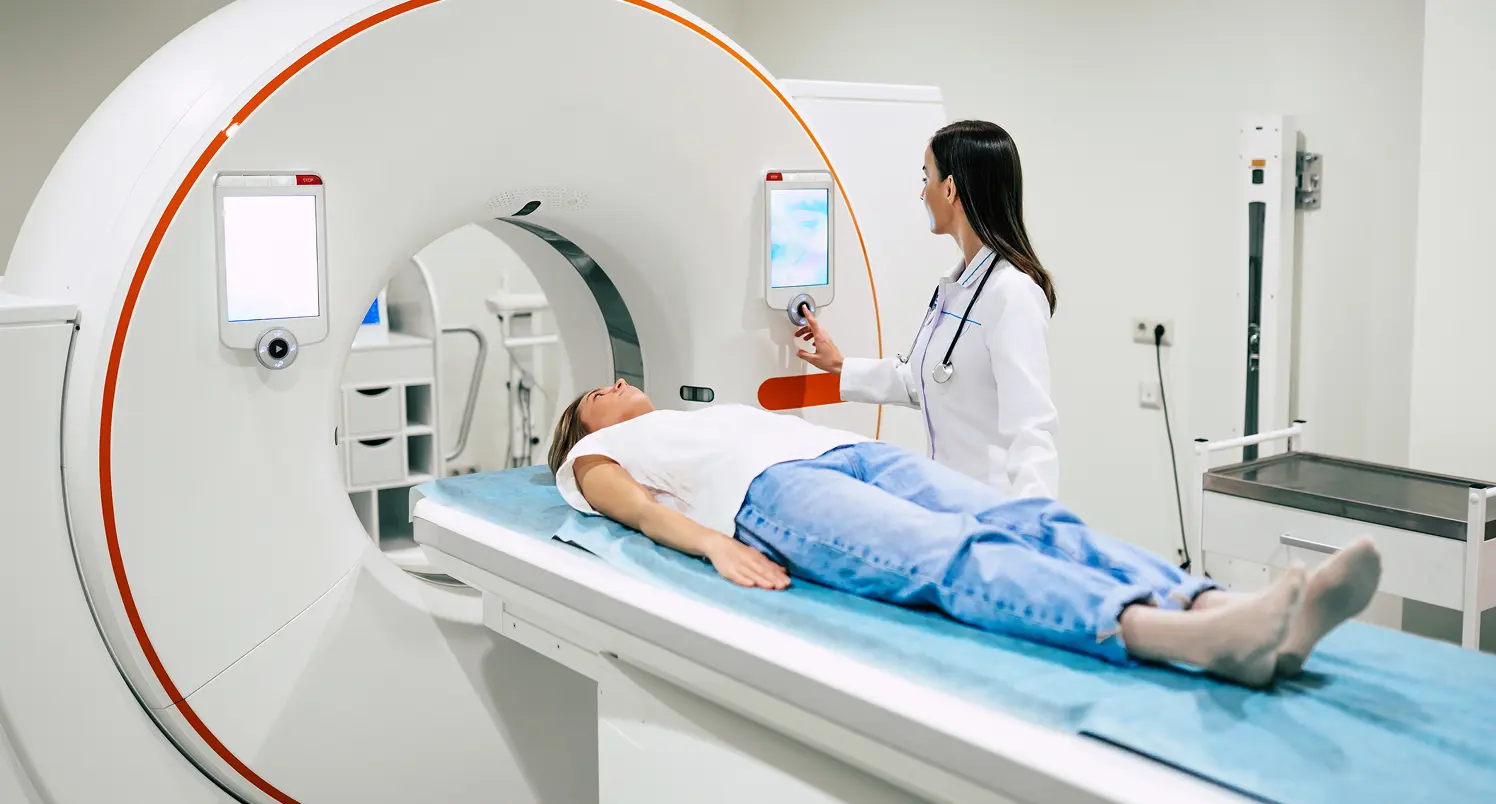
Preparing for a scan
Use the instructions for your ordered CT study to plan food, medication, contrast and arrival time.
