The short answer
CT preparation depends on the ordered region and contrast protocol. Confirm instructions for food, medicines and arrival time with the imaging team.
- Clarify whether oral or injected contrast is part of the study.
- Discuss relevant medical history and any conflicting instructions.
- Use the current order to confirm your arrival and preparation plan.
| On your order | What to clarify |
|---|---|
| Before the day | Order, contrast plan, relevant history and requested records. |
| Before leaving home | Preparation instructions and confirmed arrival time. |
| At the center | Tell the team if anything has changed or preparation was incomplete. |
Know what happens once you are on the CT table
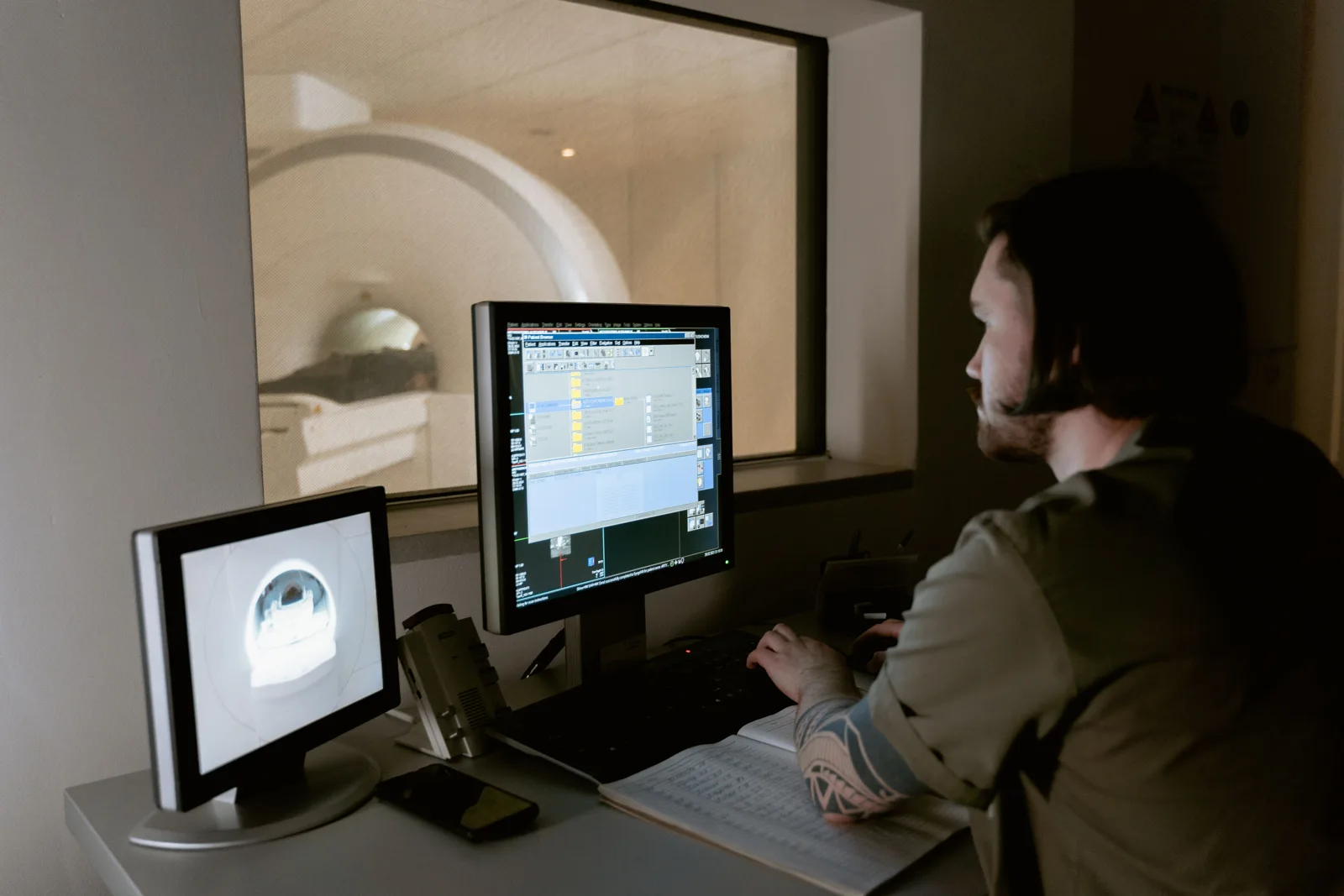
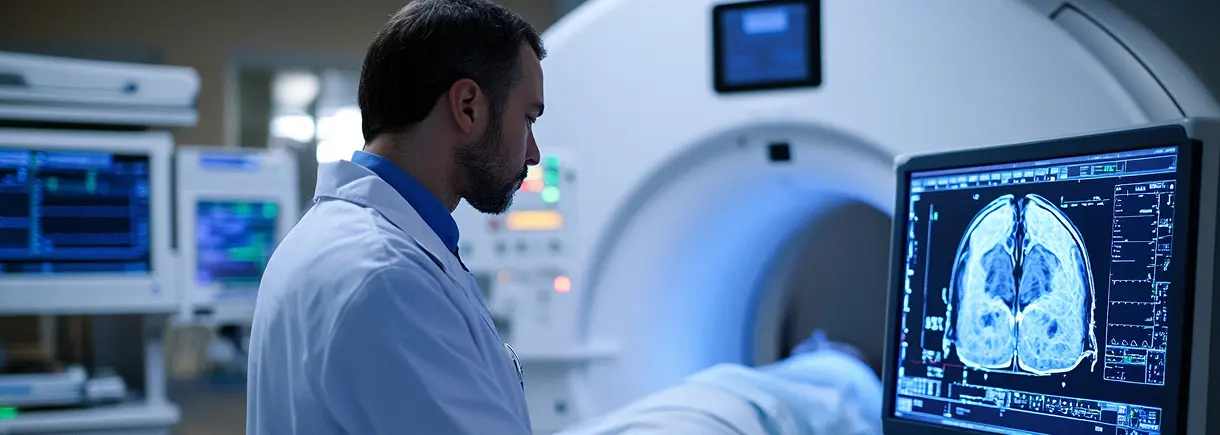
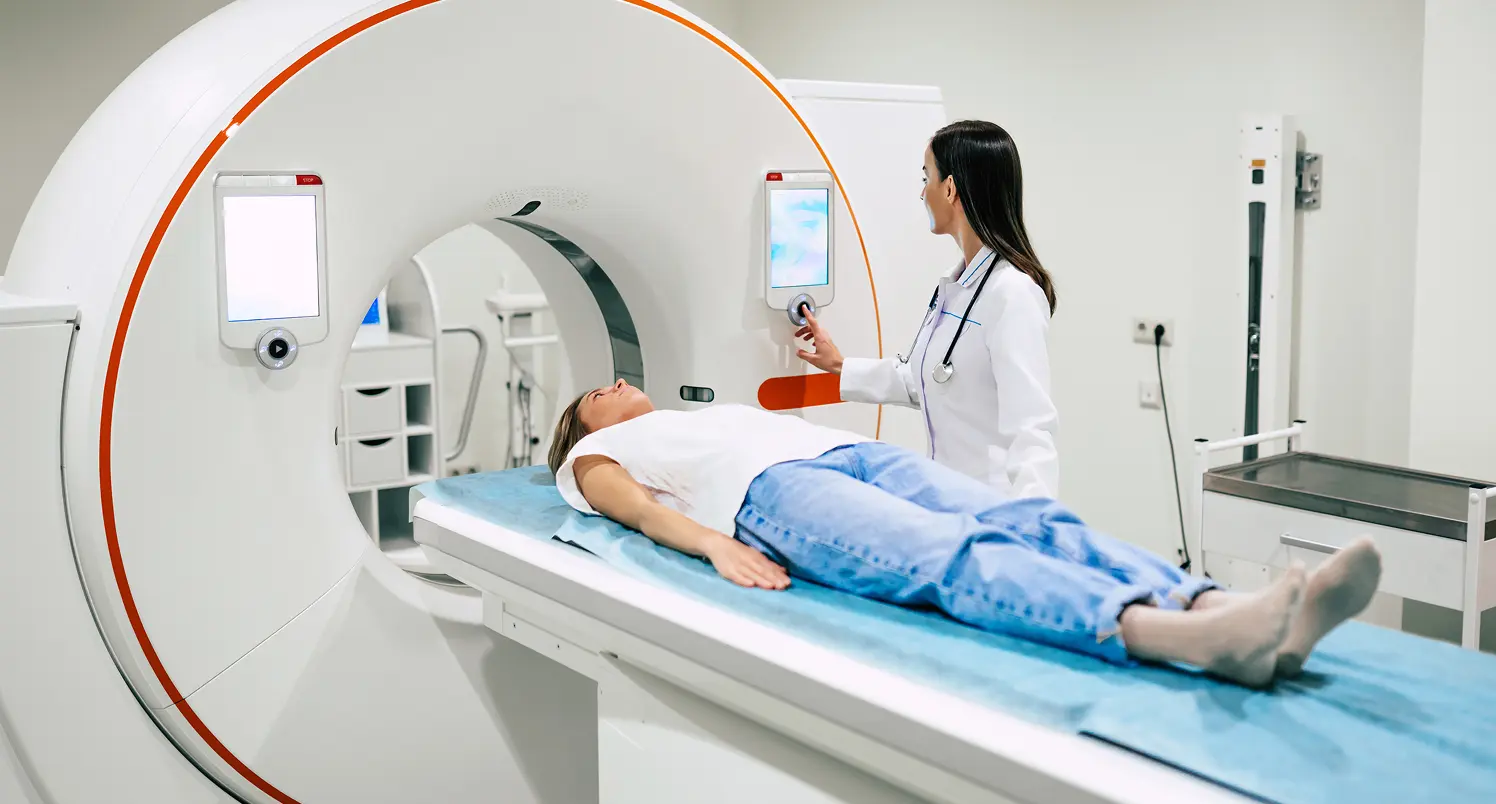
The technologist positions the body region and the table moves through the scanner opening. An initial pass may help plan the examination, followed by the image acquisition itself. You may be asked to hold your breath briefly because movement can blur the images. The technologist can see and communicate with you while operating the equipment from outside the room. Tell staff before scanning if pain, breathlessness or another problem may make the position or instructions difficult. Contrast, when required, can be swallowed, injected or given by another route depending on the actual protocol.
Possible pregnancy needs a clinical discussion before imaging
Tell the referring clinician and imaging team if you are pregnant or might be pregnant. The relevance of radiation exposure depends on the body region being examined and the reason for the test. Alternatives may be considered when they can answer the clinical question, but a needed examination should not simply be abandoned without review. The team weighs the information expected from CT against the circumstances of the pregnancy and the consequences of delay. Sharing this information early allows the planned examination to be assessed before preparation has begun.
Separate the contrast plan from the food instructions
An examination may use injected contrast, oral contrast, both or neither. Those details should come from the confirmed protocol, not from the fact that the appointment is called a CT scan. Ask whether anything must be taken before arrival and when to begin it.
If fasting or other restrictions are given, clarify what they include and how they apply to your regular medicines. Mention diabetes, fluid restrictions and other relevant medical needs. Do not stop treatment or follow a preparation plan borrowed from a different type of scan without checking with the team.
Prepare the information the screening team needs
Tell staff about kidney problems, dialysis, pregnancy concerns and previous contrast reactions. For an earlier reaction, describe the symptoms and timing rather than only saying you are allergic to contrast. Mention implants or devices and any difficulty transferring onto the table or lying still.
The website questions help organize a callback; they do not replace the center's screening. If your health information changes after booking, contact the team before the examination. Accurate information allows the staff to review the actual protocol and explain any additional steps.
Start with the full examination name
Find the body region and contrast wording on your order. Ask the office to resolve missing or conflicting details before your appointment. A routine CT and a specialized vascular or screening study can have different arrangements. Record the confirmed study, location and arrival time together so you do not need to reconstruct the plan on appointment day.
Ask about food, drinks and regular medicines
Preparation depends on the examination. Ask whether fasting is needed, whether water is allowed and how to take your usual medicines. Give the team the relevant medication information and explain any difficulty following the instructions. Do not stop a prescription or extend a fast based on a general online checklist.
The contrast route changes the practical arrangements
A CT request can involve no contrast, material taken by mouth, an intravenous injection or a combination selected for the examination. These are not interchangeable preparations. An oral preparation may affect arrival arrangements, while an injection requires its own screening and setup. Read the exact instructions and ask where each step happens. Do not obtain or take a contrast preparation independently based on instructions from a different examination.
Give the team useful history before appointment day
Explain a prior contrast reaction using the details you know: the examination, what happened and any records identifying the material. Mention relevant kidney problems, medicines and possible pregnancy during the preparation discussion. Ask whether the office needs information from your referring clinician before the visit. If you were given conflicting medication instructions, have the clinical team reconcile them instead of choosing one version yourself.
Check how contrast affects arrival time
Contrast, if ordered, may involve a drink, an injection or other preparation. Ask whether anything needs to happen before you reach the center and how much additional time to allow. If you have not received the expected instructions, call the office rather than guessing or arriving without the required preparation.
Discuss relevant medical history beforehand
Tell the imaging team about possible pregnancy, kidney conditions and a previous reaction to contrast. Ask whether recent blood work or additional clinical review is required for your examination. Explain what happened during any prior reaction as clearly as you can. This allows the team to determine the appropriate preparation for you.
Pack the documents you were asked to bring
Have identification, your order, insurance information if applicable, and requested earlier images available. Keep the referring office’s details and any authorization reference with them. Confirm clothing instructions and leave unnecessary valuables at home. If you need assistance entering the building or moving onto the table, tell scheduling ahead of time.
If something changes on the day
Call if you have eaten contrary to instructions, cannot complete preparation or have a change in your condition. Explain the situation so the team can tell you what to do. Advantis lists CT at all three centers; confirm your actual appointment address and the specialized protocol if one has been requested.
Your Next-Step Checklist
- Confirm oral and injected contrast separately.
- Follow the precise food and medicine instructions.
- Report kidney, pregnancy, implant and reaction history.
- Tell scheduling about changes before the appointment.
Frequently Asked Questions
Do all CT scans require the same fasting?
No universal preparation should be assumed. Use the instructions for your exact body region and contrast protocol, and ask the team about medicines or conditions that affect the plan.
What if my order changes after I receive instructions?
Contact scheduling for updated preparation. A change in region or contrast can affect the appointment, estimate and any authorization.
Why does the CT technologist ask for a breath-hold?
Breathing moves structures, especially in the chest and abdomen. Brief breath-holds can reduce motion and improve image clarity. Follow the instructions for your study and tell the team if you cannot comfortably hold your breath. Do not try to improvise a different breathing pattern without guidance.
How does possible pregnancy affect a planned CT?
Tell the team so they can make an informed clinical decision. They will consider the examination region, the question being investigated and suitable alternatives where appropriate. Disclosing the possibility allows a safer plan; it does not automatically determine that all imaging must stop.
General educational information. Your examination and preparation depend on your clinical needs. Follow the instructions provided for your appointment.
Further reading: RadiologyInfo: body CT · RadiologyInfo: contrast materials · RadiologyInfo: how to prepare your ct exam · RadiologyInfo: safety ct pregnancy