The short answer
A CT scan commonly takes 10–20 minutes. Check-in, contrast preparation and other steps can extend the visit; confirm the timing for your exact study.
- Ask about the total visit rather than scanner time alone.
- Oral contrast can require preparation before imaging.
- A report is a separate step after the examination.
| Part of the visit | Question for scheduling |
|---|---|
| Arrival | How early should I arrive for registration? |
| Preparation | Is oral or intravenous contrast involved? |
| Scanning | Does the order include more than one region? |
| Departure | Are any aftercare instructions or checks expected? |
Understand the sequence from positioning to departure
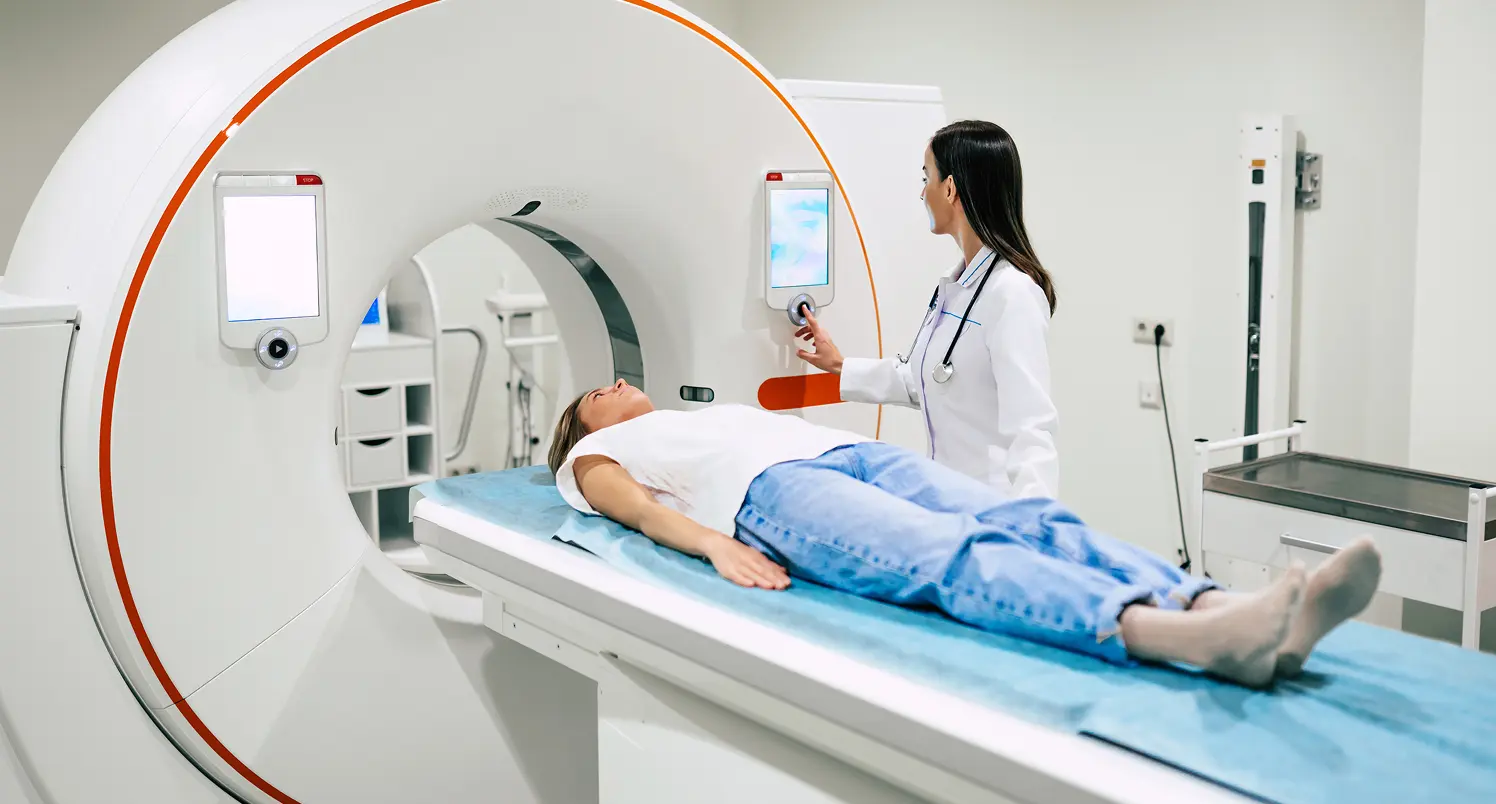
The CT appointment includes several stages even when image collection is brief. Staff confirm the examination and position you on a table that moves through a short scanner opening. You may be asked to remain still and hold your breath while images are acquired. If the protocol uses contrast, that preparation is part of the visit as well. The NHS gives a general scan time of around 10 to 20 minutes, but your actual appointment can be longer. Use the center’s estimate for the complete visit when planning work, transport or another appointment.
A fast scan can still produce many images
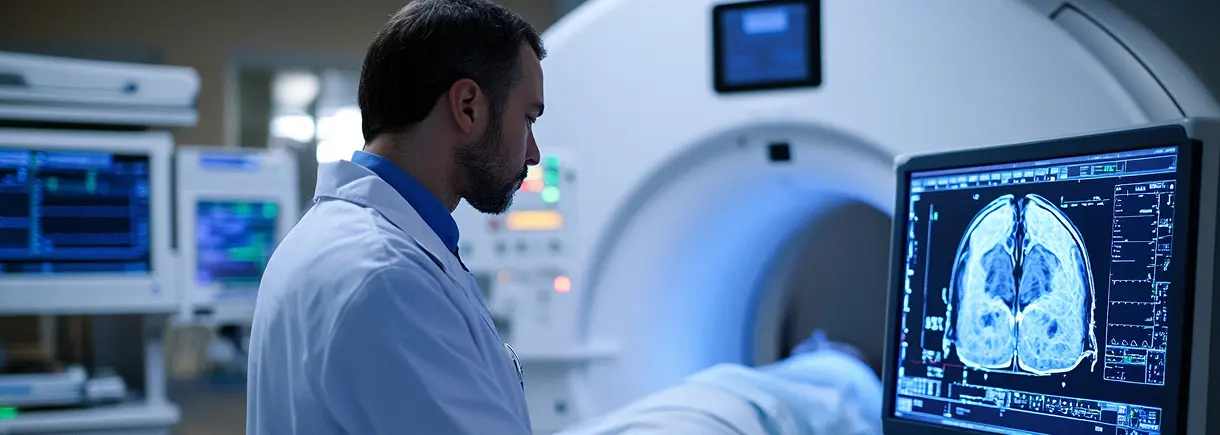
A CT scanner collects measurements from multiple directions as its X-ray equipment rotates. A computer processes those measurements into cross-sectional images, which can also be reconstructed in other views. This helps explain how a short acquisition can generate a substantial study for the radiologist to interpret. The speed of the table or the number of visible passes is not a way to judge whether the examination was thorough. The protocol is selected for the body region and clinical question, and radiation exposure is considered as part of the decision to perform it.
The scanner time is only part of the visit
A CT appointment includes confirming the order, completing screening and positioning you correctly. If the protocol uses injected contrast, staff may need to place an IV and review relevant history. If oral contrast is prescribed, its timing can affect when imaging begins. These steps explain why a short image acquisition can still require a longer visit.
Ask for both the expected arrival-to-departure time and any preparation that must happen before arrival. Tell scheduling if you have another appointment, transport pickup or work commitment afterward. A general internet estimate should not be used as a promise for your particular contrast protocol.
Plan follow-up separately from the scan
Finishing image acquisition does not mean the radiologist's report is immediately available. The images need to be reviewed and the findings communicated through the agreed process. Ask when and how the ordering clinician expects the result before booking a results discussion.
If the clinician needs the scan for a time-sensitive consultation, tell the imaging center about that deadline. Ask whether prior images are needed for comparison and arrange them early. This can make the follow-up process more useful without assuming that an urgent personal schedule changes the reporting workflow.
Scanning time is only part of the visit
A CT examination is often completed within about 30 minutes, while image acquisition can take only seconds. That does not mean every visit fits a half-hour slot. Your exact examination and any preparation determine the schedule.
Ask about contrast before you plan your day
An appointment involving oral contrast may need more preparation time. An injected contrast study also involves steps before imaging. When scheduling, ask how long to allow from arrival to departure rather than asking only how long the scanner runs.
A general CT duration
The NHS describes a usual CT scan duration of 10–20 minutes. That general range does not include every preparation scenario or establish the length of an Advantis visit. Registration, contrast preparation and additional instructions can extend the time at the center. Tell scheduling exactly what is on the order and ask for the complete appointment window, especially if your study involves a drink beforehand or several regions.
Confirm the right center
Advantis lists CT at Richmond Avenue, Walters Road and Dickinson. Specialty CT protocols need confirmation. Read the full order to the scheduling team and save the address shown on your appointment confirmation.
Plan the follow-up separately
Leaving the center and receiving the report are different milestones. Ask how the report will reach the ordering clinician and when to contact that office. Avoid booking a results discussion on an assumed turnaround time; confirm the plan for your study.
Compare like-for-like appointment times
An estimated time for a noncontrast head CT does not necessarily describe an abdomen-and-pelvis examination with additional preparation. Use the complete order when asking how long to allow. If the office quotes a scan duration, ask separately about arrival and departure. This is particularly helpful when booking around work or organizing a ride.
Keep results timing separate
Before making another medical appointment to discuss the findings, ask the ordering office how the report will reach them and when follow-up is appropriate. A short scan does not mean interpretation is instantaneous. Keep the imaging center’s details and the ordering office’s contact information together in case records need to be coordinated.
Your Next-Step Checklist
- Confirm total visit time.
- Check oral and injected contrast arrangements.
- Allow flexibility for preparation.
- Coordinate report delivery and the follow-up appointment.
CT scans in Houston and Dickinson
Frequently Asked Questions
Does a longer appointment mean something is wrong?
Appointment length alone does not establish a finding. Preparation and protocol differences can change the schedule; ask the team about the timing and discuss findings through the report.
Can I leave immediately after scanning?
Follow the team’s departure instructions for the examination you received. Ask about this when planning transport, particularly if additional preparation or medication is involved.
Does the time quoted for CT include oral contrast preparation?
It may not. When you are given a time estimate, ask whether it covers the scan itself or the complete visit, including any preparation and observation. Confirm the actual contrast plan first: a study without contrast, an injection and oral preparation do not necessarily have the same appointment schedule.
Can I judge how much information was collected by how quickly the scan finished?
No. CT can acquire information rapidly and reconstruct it into many images. The examination’s usefulness depends on the requested region, protocol and image quality, followed by interpretation. A fast acquisition is not evidence that important steps were missed or that the findings are normal.
General educational information. Your examination and preparation depend on your clinical needs. Follow the instructions provided for your appointment.
Further reading: RadiologyInfo: body CT · NHS: CT scan — general examination guidance · FDA: computed tomography ct