The short answer
Preparation depends on how the pelvic ultrasound will be performed. A transabdominal study may require a full bladder; an internal examination uses a different approach and may have different instructions. Confirm the exact study and preparation with the center before your visit.
- Read the full pelvic ultrasound order to scheduling.
- Ask which examination approaches are planned.
- Get the amount and timing of water directly from the center.
- Discuss discomfort, access and consent questions beforehand.
- Do not assume every ultrasound protocol is offered at every location.
| Topic | Ask the center |
|---|---|
| Approach | Abdominal, internal or more than one component? |
| Bladder | Full or empty, and at which point in the visit? |
| Water | How much and when, considering any restrictions? |
| Consent | How will each part be explained before it starts? |
| Results | Who receives the report and discusses it with me? |
Clarify which pelvic examination was ordered
Pelvic ultrasound can involve different approaches depending on the anatomy and clinical question. The probe may be placed on the lower abdomen or an internal examination may be considered. Ask the referring office and imaging team which approach is intended and whether more than one part is planned. This affects preparation, consent and appointment arrangements. An article describing a technique is not confirmation that it is available at a particular Advantis center; scheduling should review the exact request.
Full-bladder instructions for an abdominal approach
For some transabdominal pelvic examinations, a full bladder helps create a useful view. Ask how much water to drink, when to start and whether you should avoid emptying your bladder before arrival. Do not guess a larger amount to be extra prepared. If you have a fluid restriction, trouble holding urine or discomfort, contact the center for a suitable plan. Instructions for another person’s scan may not match the study your clinician requested.
The route of examination affects both preparation and consent
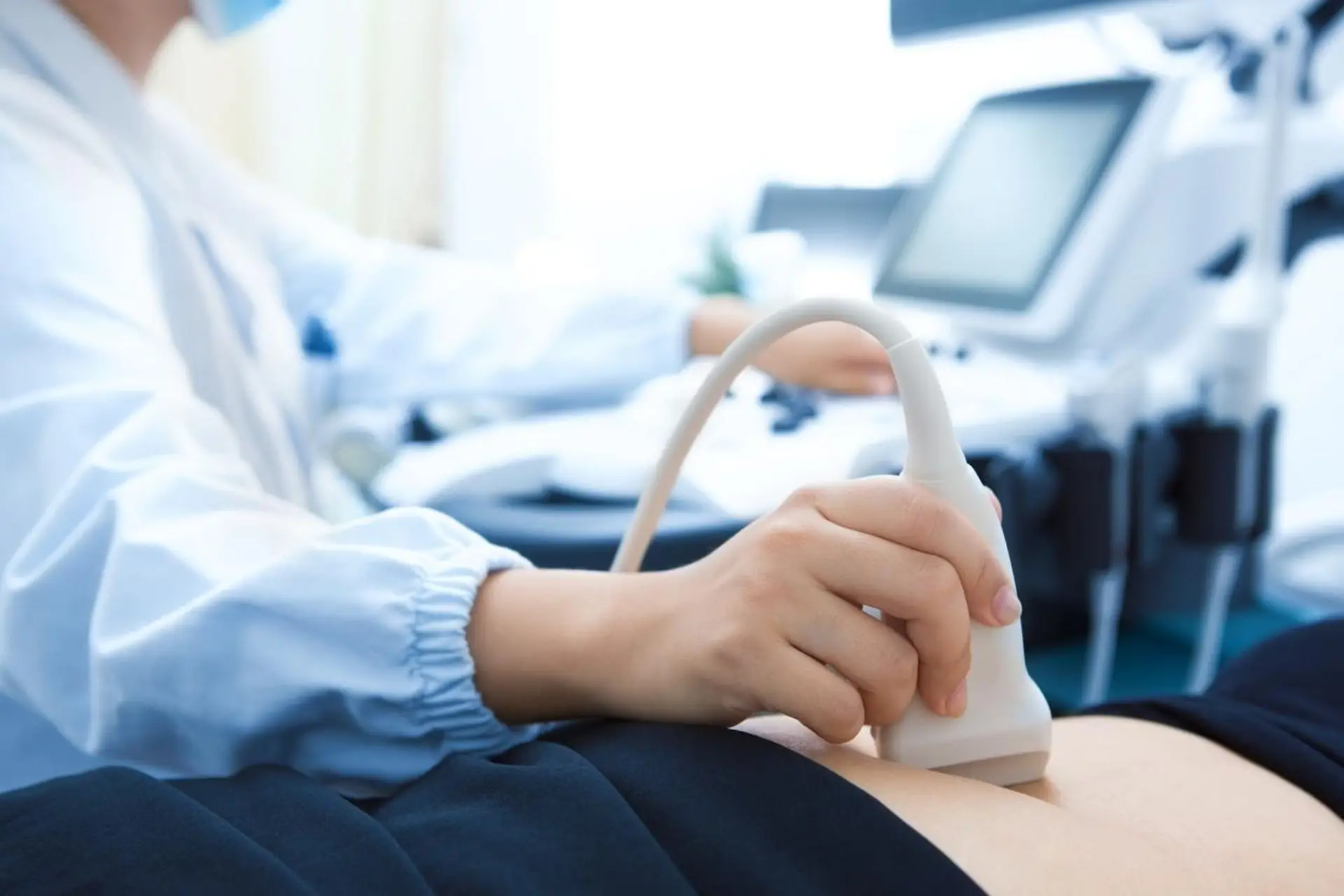
A transabdominal examination images through the lower abdomen, often with a bladder preparation instruction. An internal examination uses a different approach and may require the bladder to be emptied. When both are planned, the sequence of those steps needs to be explained by the team.
Ask what the order includes and what each component contributes. Before any internal examination, the clinician or sonographer should explain the procedure and obtain consent through the center's process. Tell staff about concerns or difficulties. You can ask questions before deciding whether to proceed with a proposed component; preparation instructions should not leave you uncertain about the examination itself.
Turn a full-bladder instruction into a manageable plan
Ask the center how much to drink, when to start and whether to avoid emptying your bladder before arrival. Do not assume that drinking increasingly large amounts makes the examination better. If you have urinary urgency, pain, limited mobility or a fluid restriction, discuss it before the appointment.
If travel delays or discomfort make the plan difficult, contact the team and explain what you have already done. They can advise based on the scheduled examination. A useful written plan distinguishes the arrival time from the scan time and explains any transition between abdominal and internal imaging. Keep it with your appointment details so you do not have to rely on memory.
Give the report the context your clinician needs
The reason for pelvic imaging can vary considerably. Share relevant symptoms and history with the referring clinician and follow any requests for prior examination reports. If the study is following a known finding, identify its date and the facility that performed it.
At the results visit, ask whether the report explains the original concern and whether further assessment is recommended. Ultrasound findings may need to be considered with symptoms, examination and other tests. If a follow-up scan is proposed, record its purpose and timing. A repeat request should have a clear clinical aim rather than simply recreate the previous appointment.
Questions about an internal examination
If an internal examination is proposed, ask the team to explain the purpose, steps and consent process before it begins. You can raise concerns about discomfort, prior experiences, support needs or whether an alternative approach is appropriate to discuss. Tell the team if you need more explanation at any point. The decision should be made with the clinical team, not by interpreting a website description as a requirement that applies to every pelvic ultrasound appointment.
How to plan for a combined appointment
An order may include abdominal and pelvic imaging or more than one component of a pelvic study. These can involve preparation instructions that seem different when read separately. Ask scheduling for a combined plan that specifies food, water, medication and arrival time. Make sure the estimate covers the full requested examination as well. If another appointment follows the scan, allow time for all components rather than assuming the first set of images marks the end of the visit.
If preparation is difficult or your situation changes
Tell the center about difficulty drinking the requested water, emptying your bladder early or a new symptom that affects the planned visit. Staff can advise whether the timing or instructions should change. Do not delay urgent clinical assessment while waiting for a routine outpatient ultrasound. If you think you are experiencing a medical emergency, seek emergency care. For ordinary preparation questions, a direct call before traveling gives the team a chance to help you arrive ready for the correct study.
Plan the report discussion
The sonographer obtains images and the interpreting clinician prepares the report under the center’s process. Ask when the ordering office expects to receive it and how you will discuss the result. If you have earlier pelvic studies, ask whether they should be supplied for comparison. Advantis requires a doctor’s order before every scan. When you call, read the complete examination name and request confirmation of location, technique and preparation rather than booking only by the broad label ultrasound.
Your Next-Step Checklist
- Confirm which approaches are included in the order.
- Obtain exact bladder and timing instructions.
- Discuss comfort, consent and preparation difficulties.
- Keep earlier reports and the follow-up plan available.
General ultrasound preparation guide
Comparing ultrasound estimates
Frequently Asked Questions
Does every pelvic ultrasound need a full bladder?
No. Preparation depends on the approach and ordered examination. Confirm the instructions for each component, particularly when more than one technique is planned.
Can I ask questions before an internal ultrasound?
Yes. Ask the team to explain why it is proposed, what it involves and the consent process. Raise concerns about comfort or alternatives before proceeding.
What if I cannot hold my bladder?
Contact the imaging center and explain the difficulty. The team can give instructions for your appointment instead of you trying to tolerate increasing discomfort or changing the plan without advice.
Will I need to empty my bladder during a combined examination?
You may receive different instructions for different components. Ask the team to explain the sequence for your appointment.
What if I do not want an internal ultrasound?
Discuss your concern with the clinical team before proceeding. Ask what information the proposed component adds and what alternatives or limitations apply.
General educational information. Your examination and preparation depend on your clinical needs. Follow the instructions provided for your appointment.
Further reading: RadiologyInfo: pelvic ultrasound · RadiologyInfo: ultrasound preparation