The short answer
Ultrasound preparation varies by body area and technique. Fasting and a full bladder are separate instructions that must match the actual order.
- Abdominal and pelvic examinations may need different preparation.
- Confirm the approach and bladder instructions on your actual order.
- Discuss consent, comfort and assistance needs with the team.
| On your order | What to clarify |
|---|---|
| Abdominal study | Ask whether food or drink restrictions apply. |
| Pelvic study | Confirm the approach and bladder instructions. |
| Other ultrasound | Use the named examination’s own preparation instructions. |
The image depends on how sound travels through the body
Ultrasound uses sound waves to form images in real time. It is useful for many organs and soft tissues, and Doppler techniques can assess blood flow. Air and bone limit the way sound travels, so ultrasound is not equally effective for every structure or clinical question. This helps explain why preparation and the chosen approach differ between examinations. A scan directed at an abdominal organ, a blood vessel and a pelvic structure should not be treated as one generic appointment. The complete examination name provides the starting point for understanding what will happen.
Pelvic examinations can use different approaches
A pelvic ultrasound may be performed through the abdominal wall or, for an appropriate examination, with an internal probe. The approach affects which structures can be seen and what preparation is needed. A full bladder can be helpful for some external studies, while instructions for an internal study can differ. Ask which parts are planned and what preparation applies to each. The team should explain the procedure and obtain consent. If you have a comfort concern or do not understand why an internal examination is proposed, discuss it before the examination starts.
Different body regions need different preparation
Some ultrasound studies require a full bladder, some require fasting and others need little special preparation. A combined order can involve instructions for more than one part of the examination. Ask the team for a single coordinated plan if several regions will be examined during the same visit.
Clarify the timing and amount of any requested fluids, and mention a fluid restriction or other medical reason the instruction may be difficult. Do not assume a friend’s pregnancy scan instructions apply to an abdominal, thyroid or vascular examination. Preparation should match the study named on your order.
Tell the team what may affect comfort or positioning
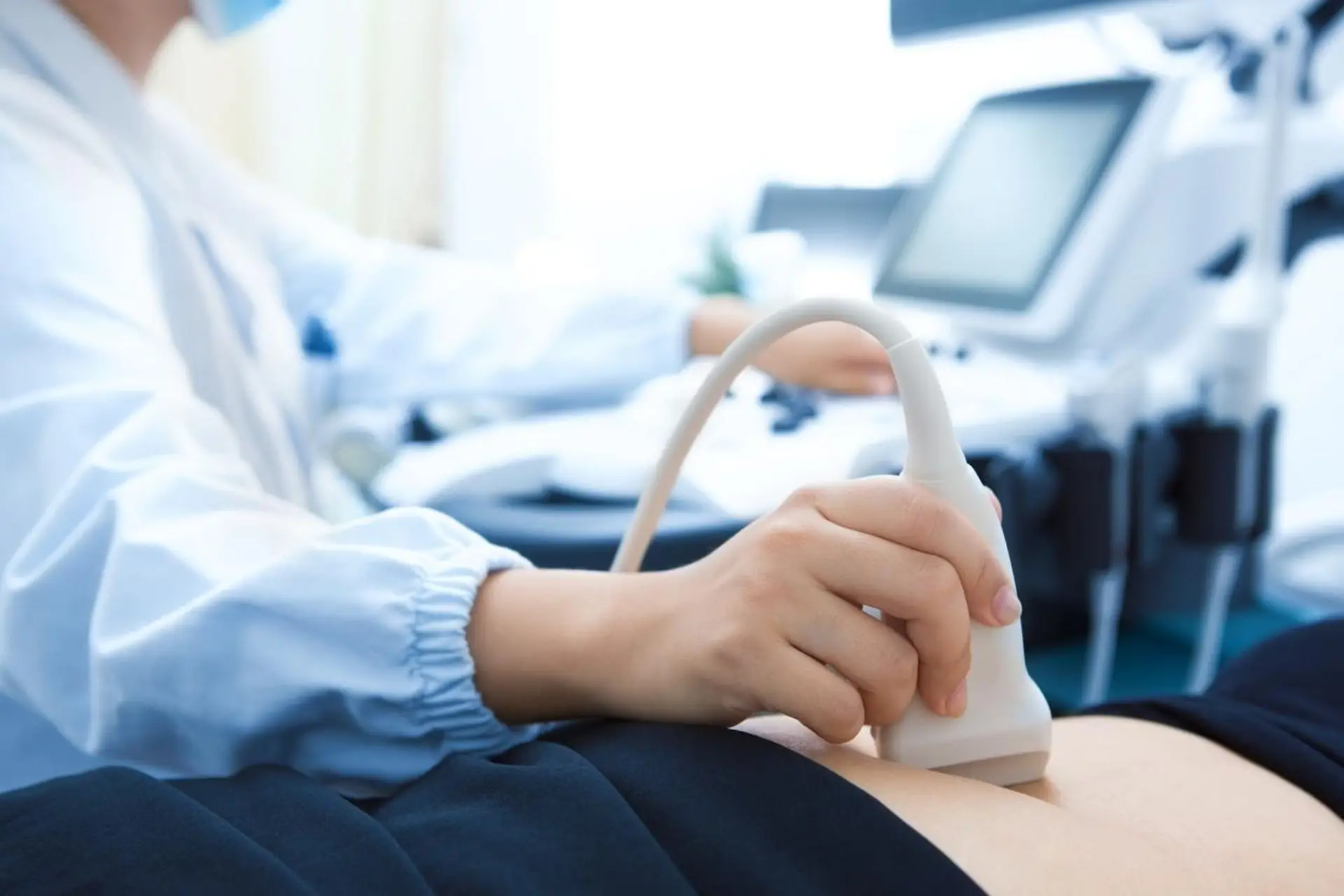
Ultrasound often involves placing a probe against the skin and applying pressure to obtain images. Tell the sonographer if an area is tender or if you have difficulty turning, lying flat or holding a position. Explain relevant surgery or a dressing that may affect access to the region.
For a pelvic study, ask beforehand which approaches may be considered and how consent and comfort are handled. If you are unsure what an instruction means, contact the center before traveling. Clear preparation helps the team perform the ordered examination without relying on assumptions about your circumstances.
First, identify your examination
Ultrasound is a group of examinations, not one appointment with a universal preparation rule. Find the full body region and study name on your order. When calling, read that wording rather than saying only “a scan.” Ask whether your chosen center performs the requested study and whether additional instructions will be sent before the visit.
Preparing for an abdominal ultrasound
An abdominal ultrasound can assess upper-abdominal structures such as the liver, gallbladder and kidneys. Food and drink restrictions vary by the area being examined. Ask whether fasting is required and obtain the exact timing from your imaging team. If the instruction is difficult because of medication or another condition, call for individualized advice.
Why preparation differs between ultrasound examinations
Ultrasound uses sound waves, and the way they reach the area of interest affects the examination. The body region and approach influence whether food, drink or bladder instructions are useful. Abdominal, pelvic and vascular studies therefore should not share one generic checklist. Use the exact study name when asking for preparation, and clarify how to follow it if you have more than one examination booked.
Preparing for a pelvic ultrasound
A pelvic ultrasound may use an external or an internal approach, depending on the order. Some examinations require a full bladder. Ask which approach is planned and whether, how much and when to drink water. Do not assume instructions for an external study apply to an internal one. Raise questions about the examination and your comfort with the team beforehand.
If you ate or emptied your bladder
Contact the center and explain what happened and when. Ask whether to continue with the appointment and what to do next. Do not try to compensate by drinking an excessive amount of water or extending a fast on your own. Keep the scheduling number and preparation instructions together so it is easy to reach the right team.
What to bring and confirm
Bring the documents requested by the center, including your order and identification. Ask whether previous images are needed for comparison. Confirm the address, arrival time and expected full visit length. If you need assistance or have concerns about an internal examination, discuss these before the day so you understand the available arrangements.
After your ultrasound
Ask how the report will reach your clinician and when to arrange a discussion. Advantis lists diagnostic ultrasound at all three centers; the exact examination and location need confirmation. For a price estimate, provide the full order and ask whether interpretation is included. This helps avoid comparing prices for different ultrasound studies.
Your Next-Step Checklist
- Confirm the body area and examination type.
- Get the exact fasting or bladder instructions.
- Raise fluid restrictions and positioning needs.
- Ask when and how the result will be discussed.
Abdominal ultrasound preparation
Frequently Asked Questions
Do I always need a full bladder for ultrasound?
No. Bladder instructions depend on the examination and approach. Ask what applies to the study named on your order.
What if fasting or bladder preparation is difficult for me?
Tell the team before the appointment and explain the difficulty. Ask for instructions suited to the ordered examination and your circumstances rather than changing the plan yourself.
Does Doppler ultrasound use a different kind of radiation?
No. Doppler is an ultrasound technique that evaluates movement, commonly blood flow. Like other diagnostic ultrasound, it uses sound waves rather than X-rays. It can add information to the examination when the clinical question involves vessels or circulation; it is not automatically needed for every ultrasound.
Do all pelvic ultrasounds need a full bladder?
No. The instruction depends on the approach and examination. An external study and an internal study may have different preparation requirements, and an appointment can include more than one part. Follow the instructions for the actual plan and ask the team to clarify when to drink or empty your bladder.
General educational information. Your examination and preparation depend on your clinical needs. Follow the instructions provided for your appointment.
Further reading: RadiologyInfo: abdominal ultrasound · RadiologyInfo: pelvic ultrasound · RadiologyInfo: ultrasound preparation · RadiologyInfo: ultrasound