The short answer
Thyroid ultrasound evaluates the gland's appearance and can describe nodules, their size and imaging features. It does not measure thyroid hormone function or establish every nodule's diagnosis. Your clinician combines the report with your history, examination and other testing when needed.
- Ultrasound evaluates structure, not hormone production.
- A nodule is a finding that needs context, not an automatic cancer diagnosis.
- Measurements can support comparison with earlier imaging.
- Some findings need surveillance or further assessment.
- Confirm the requested neck or thyroid protocol before booking.
| Assessment | What it addresses |
|---|---|
| Ultrasound | Appearance, size and imaging features |
| Blood tests | Thyroid hormone-related function |
| Clinical examination | Symptoms, history and physical findings |
| Biopsy when indicated | A separate tissue or cell assessment |
| Follow-up imaging | Comparison with a prior finding |
What the examination can show
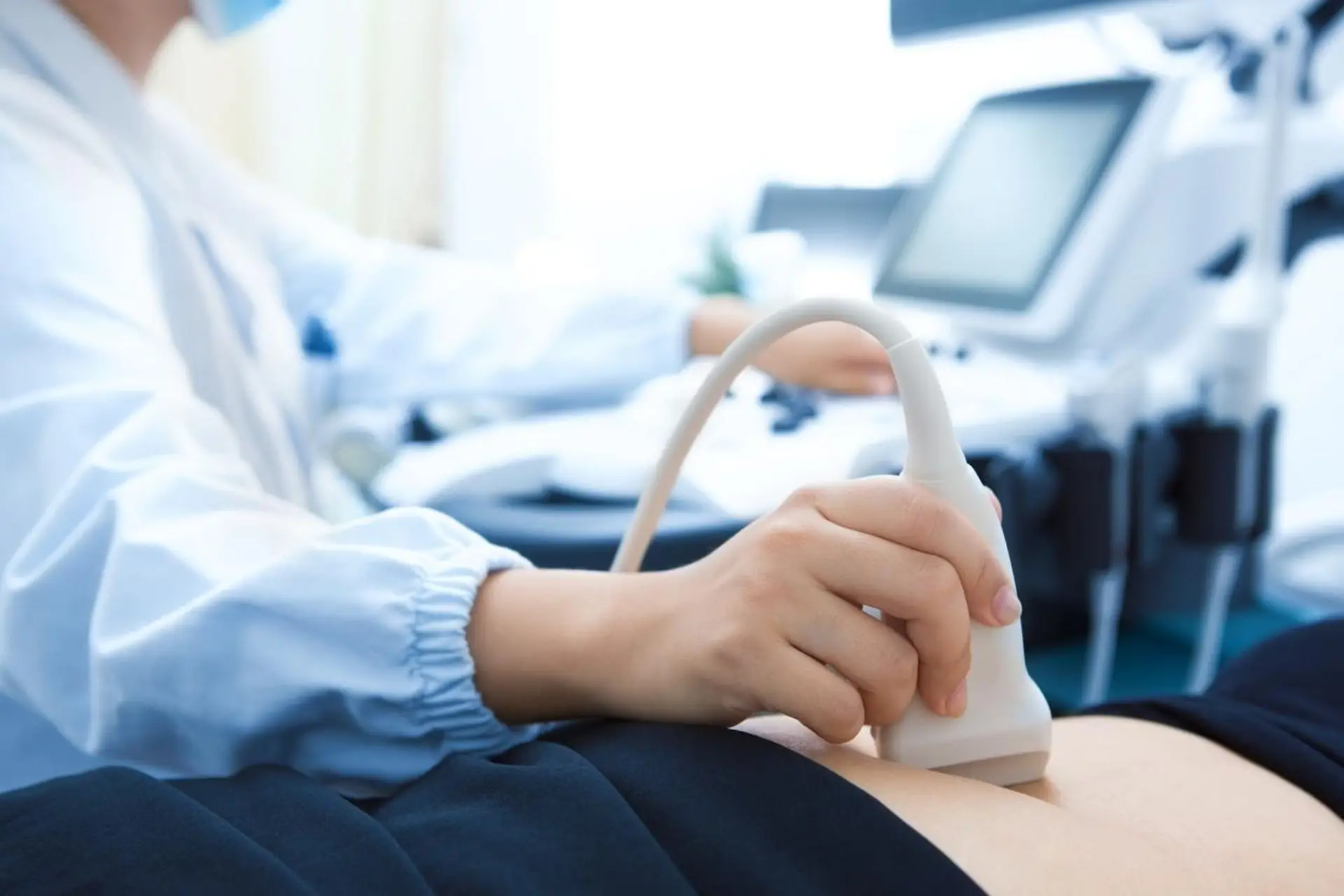
Ultrasound uses sound waves to examine the thyroid and nearby structures. It can describe a nodule's size and features and help compare findings over time. The radiologist uses the images to guide recommendations where appropriate. Many nodules are benign, but ultrasound cannot establish the nature of every nodule with certainty. A recommendation for further assessment needs to be discussed with the clinician responsible for your thyroid care.
Why blood tests may still be needed
Ultrasound cannot determine whether the thyroid is producing too much or too little hormone. Blood tests and the clinical assessment answer that functional question. A person may therefore have both laboratory tests and imaging for different reasons. Ask your clinician what each part of the evaluation is intended to clarify. Do not change thyroid medication based on an imaging phrase without discussing the complete assessment with the prescribing clinician.
The report describes structure, not thyroid hormone function
Ultrasound evaluates the thyroid's appearance and can characterize nodules by features such as size and composition. Blood tests answer different questions about thyroid function. A structural finding on ultrasound does not by itself establish whether the gland is making too much or too little hormone.
If the scan follows an abnormal blood test, ask your clinician how the two investigations fit together. If it follows a neck lump, explain when the lump was noticed and whether you have prior imaging. Bring the actual laboratory and imaging reports when requested so the discussion uses the complete information rather than a remembered description of a result.
A nodule description and a biopsy recommendation are different
Many thyroid nodules are benign. Ultrasound findings help the clinician decide whether a nodule needs monitoring or additional assessment, including needle sampling in some cases. Size is one consideration, but the overall appearance and clinical context matter. An ultrasound cannot establish every tissue diagnosis on its own.
Ask the clinician which nodule a recommendation refers to if the report describes more than one. Record whether the plan is no further imaging, a repeat study at a specified interval or another investigation. A recommendation for biopsy does not mean the biopsy has already been arranged, so confirm the referral process and responsible office.
Make repeat examinations easier to compare
For follow-up, provide the previous report and ask whether the earlier images are also needed. Measurements may be recorded in more than one dimension, and the clinician needs to compare the same finding across examinations. A small difference between numbers copied from separate reports should not be interpreted without that comparison.
Tell the team about previous thyroid surgery, neck procedures and difficulty extending your neck. Ask Advantis to confirm the exact thyroid ultrasound service and location before booking. After the examination, retain a copy of the report and the agreed monitoring plan so future follow-up is tied to the original finding.
Preparing for a neck examination
Thyroid ultrasound usually requires little special preparation. Choose clothing that allows access to the neck and ask whether jewelry should be removed. If neck extension is painful or limited, tell the team before positioning begins. Bring the doctor's order and ask whether previous thyroid images or reports should be available. Follow any instructions provided for your specific appointment, especially if another examination is being performed on the same day.
If the report recommends follow-up
Ask which finding requires attention, what the recommended interval means and who will arrange the next appointment. If a biopsy is suggested, clarify where it will be performed and whether a separate order is needed. A diagnostic ultrasound appointment does not automatically include a biopsy. Keep the full report and earlier studies available so the next clinician can review the comparison rather than starting with a single isolated measurement.
Scheduling with Advantis
Call with the exact thyroid or neck ultrasound order and your preferred location. Advantis lists diagnostic ultrasound at Richmond Avenue, Walters Road and Dickinson; scheduling should confirm the requested protocol and current availability. Ask about the complete estimate, any prior records needed and the report-transfer arrangements. Avoid assuming a general neck ultrasound and a focused thyroid examination are the same booking. A doctor's order is required before the scan.
Questions for your results appointment
Ask whether the findings explain the reason for the examination, whether hormone testing adds useful information and whether any follow-up is needed. If an earlier nodule is being monitored, ask whether a change is considered meaningful. Write down the next step and responsible office. If the plan is observation, that is still a plan with a defined review process; it does not mean the report should be filed away without understanding the recommendation.
Your Next-Step Checklist
- Bring prior thyroid imaging and relevant blood-test information.
- Explain previous neck surgery or positioning limitations.
- Identify which finding any follow-up recommendation refers to.
- Confirm the next step and who arranges it.
Ultrasound appointments at Advantis
Understanding the ultrasound reporting process
Frequently Asked Questions
Can ultrasound diagnose an underactive thyroid?
Ultrasound does not measure hormone production. Your clinician uses appropriate laboratory testing and clinical information to assess thyroid function.
Does a nodule mean cancer?
No. Nodules have different causes and many are benign. Follow the report's recommendations with your clinician.
Will I have a biopsy during the scan?
Do not assume so. If a biopsy is needed, its availability, order and appointment arrangements must be confirmed separately.
Can ultrasound tell whether my thyroid hormone level is normal?
No. Ultrasound evaluates structure. Blood tests and clinical assessment evaluate hormone function.
Does every thyroid nodule require a biopsy?
No. The decision depends on the ultrasound appearance, size and clinical context. Ask your clinician to explain the recommendation for the specific nodule in your report.
General educational information. Your examination and preparation depend on your clinical needs. Follow the instructions provided for your appointment.
Further reading: RadiologyInfo: Thyroid ultrasound